A fall can leave an older adult feeling uncertain long after the physical soreness has faded. They may hesitate before using the stairs, avoid walking outside alone, or turn down outings they once enjoyed. That loss of confidence can gradually make daily life feel smaller. Families using home care in Northridge can help by creating opportunities for their loved one to feel steady, capable, and comfortable again without rushing the process or taking over everything they still do well.
Why can a fall affect a senior’s confidence so much?
After a fall, an older adult may start looking at familiar surroundings differently. A hallway that once felt ordinary might suddenly seem risky. A short walk to the mailbox can feel intimidating when they are worried about losing their balance again.
The fear of falling can lead older adults to cut back on activities, which can reduce physical fitness and make everyday movement harder. Family members can help by taking that fear seriously while still encouraging the senior to stay engaged in daily life.
How can you help a senior feel secure again?
Confidence usually returns through small, successful experiences. The key is to make support feel useful without making the senior feel incapable.
1. Start with activities that feel manageable
Ask which movements or situations make your loved one nervous now. They may feel comfortable walking around the kitchen but worry about stairs, uneven sidewalks, or getting out of the shower.
Start with what feels achievable. A short walk outside, preparing lunch together, or accompanying them on a simple errand can help them rebuild confidence at their own pace. Try not to fill every activity with warnings. Constant reminders to “be careful” can make a person feel as though another fall is expected.
2. Make practical changes around the home
A fall is a good reason to take another look at the spaces your loved one uses every day. Loose rugs, poor lighting, cluttered walkways, and frequently used items stored out of reach can make movement more difficult.
Small adjustments can make the home easier to navigate while preserving familiar routines. This becomes especially important when support needs start changing. A person who previously managed everything alone may now benefit from help with a few specific tasks without needing assistance throughout the entire day.
3. Bring familiar routines back gradually
Regaining confidence is easier when normal life starts to feel normal again. Encourage your loved one to return to activities they enjoyed before the fall, even if they need someone with them at first.
That might mean sitting outside with morning coffee, visiting a friend, taking a short walk, or going to a favorite restaurant. Someone who is also adjusting to life without driving may already feel less independent, so avoiding outings after a fall can deepen that feeling. Reliable transportation and a familiar companion can make getting out feel more manageable.
4. Let the senior decide where extra help feels useful
Family members often become more protective after a fall. It is natural to want to prevent another accident, but constant supervision can leave an older adult feeling as though they are no longer trusted.
Ask what would make them feel safer. They might want assistance during showers, company on walks, help carrying groceries, or someone nearby during certain parts of the day. Their answers give families a clearer idea of where support is actually needed.
5. Keep everyone on the same page
When siblings, relatives, and professional caregivers all contribute, communication matters. Coordinating help among family members can prevent repeated check-ins, conflicting advice, and confusion about appointments or daily responsibilities.
A shared calendar or short family update can be enough to keep everyone informed without making the senior feel constantly monitored.
How can I find dependable home care in Northridge and the surrounding area?
A Better Way in Home Care can provide practical support while an older adult becomes comfortable with everyday activities again. A caregiver can assist with walks, errands, personal care, meal preparation, transportation, companionship, and other routines that may feel more challenging after a fall.
For families near California State University, Northridge and throughout the surrounding community, our team can help build support around what your loved one actually needs while respecting the things they still want to handle independently. Contact us to discuss what has changed since the fall and how the right level of assistance can help everyday life feel comfortable again.
Giving up driving can change far more than how an older adult gets from one place to another. A car often represents independence, privacy, and the freedom to make plans without relying on someone else. When driving is no longer safe or practical, that loss can be difficult to accept. Families working with caregivers in Northridge can make the transition easier by focusing on what the senior still wants to do and finding dependable ways to keep those routines within reach.
Why is giving up driving so difficult for older adults?
For someone who has driven for decades, handing over the keys can feel like losing part of everyday independence. A trip to the grocery store, a doctor’s appointment, or lunch with a friend suddenly requires planning around another person’s availability.
That shift can bring frustration, embarrassment, or worry about becoming a burden. Some seniors also begin staying home more because asking for a ride feels inconvenient.
How can you help a senior adjust after they stop driving?
The transition usually goes more smoothly when family members recognize the emotional loss instead of treating transportation as the only problem to solve.
1. Keep the senior involved in transportation decisions
A new transportation routine should still give the older adult choices. Ask which outings matter most, which days they prefer to run errands, and who they feel comfortable riding with. The National Highway Traffic Safety Administration recommends involving older adults in these conversations and planning ahead for how they will stay connected when they reduce or stop driving.
Try to preserve familiar habits where possible. If Tuesday morning has always been grocery day, keeping that routine can make the change feel less disruptive. Regular appointments, religious services, visits with friends, and favorite local stops can all remain part of the schedule.
2. Replace lost spontaneity where you can
Scheduled transportation covers necessary trips, but seniors can also miss the ability to simply decide they want to go somewhere.
Family members and caretakers can leave room for unplanned outings, whether that means grabbing coffee, stopping by a favorite store, or taking a short drive just to get out of the house. That flexibility can help the senior feel less confined by the change.
Families thinking about what to do when an aging parent’s care needs keep changing may also find that transportation is one of the first areas where a little additional support makes daily life noticeably easier.
3. Watch for signs that confidence is slipping
Some seniors adjust quickly. Others gradually stop suggesting outings, turn down invitations, or rely almost entirely on one family member. Pay attention to comments such as:
“I don’t want to bother anyone.”
“It’s easier if I just stay home.”
“You already have enough to do.”
“I don’t really need to go.”
These statements can signal that the senior is limiting their life because transportation now feels complicated. The emotional response can look similar to what families see when learning how to help a senior rebuild confidence after a fall. In both situations, the goal is to provide enough support to make activities feel manageable while still allowing the person to make choices for themselves.
4. Create a dependable routine without taking over
Consistency helps. When a senior knows who will take them to an appointment or when errands usually happen, they do not have to renegotiate every trip.
If several relatives or helpers are involved, a shared calendar can also reduce confusion. The senior should remain part of those decisions. Ask before changing established plans, leave room for preferences, and avoid treating transportation like another task on the family schedule.
How can I find experienced caregivers in Northridge and the surrounding area?
A Better Way in Home Care helps older adults continue participating in the routines and outings that make everyday life feel familiar. Whether your loved one needs help getting to appointments, running errands, visiting friends, or simply getting out of the house more regularly, dependable support can make giving up driving feel less limiting.
For families near Northridge Recreation Center and throughout the surrounding area, our team can help create a care arrangement that respects your loved one’s preferences while making transportation easier to manage. Contact us to discuss the kind of support that would help them stay connected to the people, places, and routines that matter.
Food is woven into a senior’s daily rhythm. A familiar breakfast, a favorite soup, or the way coffee is prepared can carry years of habit and comfort. When a caregiver begins helping with meals, those details shape whether support feels welcome and whether the food is actually eaten. Families consideringhome care in Chatsworth can make the transition smoother by explaining the person’s preferences before the first meal is planned.
What food preferences should families share with a caregiver?
Families should share the senior’s favorite foods, dislikes, dietary requirements, usual portions, meal times, and preferred ways of preparing and serving food. The caregiver also needs to know which choices are flexible and which ones are important to the person’s comfort, health, culture, or identity.
A useful overview may include:
Foods the senior enjoys and avoids
Allergies, intolerances, and physician-directed restrictions
Preferred brands, textures, seasonings, and temperatures
Cultural, religious, or family food traditions
Typical breakfast, lunch, dinner, and snack times
Foods that are easy or difficult to chew or swallow
Changes in appetite, weight, or interest in meals
How much help the senior wants with shopping, cooking, and cleanup
Families should also explain whether the senior likes company while eating, prefers a quiet table, or has a particular place where meals are usually served. These personal details belong among theimportant routines and boundaries to discuss before care begins.
A caregiver should receive current medical instructions directly from the family or an appropriate healthcare professional. They shouldn’t guess why a food is restricted or independently change a prescribed diet. Clear information helps them prepare suitable meals while staying within their non-medical role.
Why do food routines matter for seniors?
Food routines matter because familiar timing and preparation can make meals easier to anticipate, enjoy, and complete. Regular meals also bring structure to the day, especially for a senior whose appetite varies or who becomes tired by late afternoon.
A sudden change in the menu may appear minor to someone new in the home. For the senior, it can affect appetite and comfort. Taste and smell can change with age, and some medications can also influence how food tastes or how hungry a person feels. Caregivers should pay attention when a once-loved food is repeatedly left untouched and share the pattern with the family.
Meal routines can also help families decide when support is most useful. When breakfast is often skipped or dinner preparation has become tiring, they may need tochoose care hours around the meals that create the most difficulty. Observing these patterns gives the family practical information for future care decisions.
How can caregivers make meal support feel more comfortable?
Caregivers can make meal support more comfortable by offering choices, preserving familiar habits, and involving the senior at a level that feels manageable. A person may enjoy selecting vegetables, stirring a sauce, setting out napkins, or simply deciding between two familiar dishes.
Comfortable meal support often includes:
Asking before changing a recipe or routine
Offering a few clear choices without creating pressure
Preparing portions that feel approachable
Keeping commonly used items in familiar places
Allowing enough time to eat without rushing
Making note of foods that are accepted, refused, or requested
Keeping conversation pleasant and following the senior’s lead
Flexibility matters on unusual days. A medical visit may delay lunch, reduce appetite, or leave the senior too tired to cook. Families can plan lighter meals and extra support around doctor appointment days that tend to be especially draining.
Caregivers should also avoid turning every meal into a discussion about nutrition. Gentle encouragement and practical adjustments often feel more respectful. When appetite, swallowing, weight, or food tolerance changes noticeably, the caregiver should document what they observe and inform the family so the appropriate healthcare professional can be consulted.
Who can help families arrange dependable home care in Chatsworth and the vicinity?
Good meal support begins with knowing the person behind the routine. A Better Way in Home Care has connected families with carefully vetted caregivers since 1998, with an emphasis on thoughtful matching, dignity, trust, and individual preferences. The team can help families look for a caregiver whose experience and approach fit the senior’s daily needs.
Whether your loved one lives near the Chatsworth Nature Preserve or elsewhere in Chatsworth, sharing food habits early can give the caregiver a more useful starting point. Reach out to discuss meal preparation, companionship, daily routines, and the kind of caregiver relationship that would help your loved one feel comfortable at home!
A medical appointment may occupy only one line on the calendar, yet it can shape an older adult’s entire day. Getting ready, leaving home, traveling across town, waiting, answering questions, and adjusting the usual routine all require energy. Families exploring in-home care in Chatsworth may find that appointment days are one of the clearest times when steady support can make daily life feel more manageable.
Why are doctor appointments hard for older adults?
Doctor appointments can be difficult for older adults because they combine physical effort, mental concentration, schedule changes, and emotional uncertainty. Each part may seem small on its own. Together, they can leave a senior tired before the visit is even over.
1. The preparation starts hours earlier
Getting dressed and gathering insurance cards, identification, medication information, and mobility aids can take time. A senior may also need help remembering questions, organizing paperwork, or confirming when to eat and take medication.
Morning appointments can feel especially demanding when stiffness, pain, low energy, or a slower personal-care routine already makes the start of the day challenging. An afternoon visit can create a different problem by interrupting lunch, rest, medication, or other familiar habits.
2. Travel requires physical and mental effort
Reaching the doctor’s office involves more than a car ride. A senior may need to walk farther than usual, manage steps or curbs, transfer in and out of a vehicle, and navigate an unfamiliar building. Traffic, parking, weather, and long hallways can add more strain.
The person may also spend much of the trip thinking about the appointment. Worry about test results, a new symptom, or a possible treatment change can make the day emotionally tiring.
3. The visit demands sustained attention
Medical appointments often involve forms, questions, instructions, and unfamiliar terminology. Hearing or vision changes can make communication harder, while pain or fatigue may reduce concentration. A senior may understand the conversation in the moment and still have trouble recalling every detail later.
The National Institute on Aging recommends preparing medication lists, concerns, insurance information, and other records before a visit. It also notes that many older adults find it helpful to have a family member or friend accompany them. Preparation can reduce pressure, although it still requires time and coordination.
4. A disrupted routine can linger afterward
Appointment days may delay meals, shorten rest periods, or change medication timing. Some seniors return home hungry, overstimulated, or too tired to prepare food. Others need quiet time to process what the doctor said.
Families can account for these patterns whenmatching care hours to the senior’s hardest parts of the day. A few well-placed hours around an appointment may be more useful than support scheduled at a time when the senior usually feels comfortable and independent.
How can families make doctor appointment days easier for seniors?
Families can make appointment days easier by reducing decisions, allowing extra time, and planning for the hours before and after the visit.
Helpful steps may include:
Confirming transportation and accessibility in advance
Preparing documents, medications, and questions the day before
Packing water, a snack, glasses, hearing aids, and mobility equipment
Writing down instructions and follow-up steps
Leaving time for a meal and rest after returning home
It also helps to explain appointment routines whensharing important information before care begins. A caregiver should know whether the senior prefers quiet conversation in the car, needs assistance entering the office, becomes anxious in waiting rooms, or usually feels worn out afterward.
Food can affect comfort as well. Familiar snacks, meal timing, andthe senior’s food preferencesand usual eating routines can help families plan a gentler return home.
Where can families find professional in-home care in Chatsworth and the vicinity?
Families can turn to A Better Way in Home Care for help connecting with a caregiver suited to their loved one’s needs. Transportation, companionship, mobility assistance, meal preparation, medication reminders, and help settling back in at home can reduce the number of tasks the older adult and family must manage at once.
Since 1998, we have connected families with carefully vetted caregivers through thoughtful matching centered on personal needs, dignity, and independence. Whether your loved one lives near Stoney Point Park or elsewhere in the Chatsworth area, families can discuss the parts of appointment days that feel most difficult and explore a care arrangement that provides dependable help when it matters most. Reach out today!
The first few days of in-home care often feel smoother when the caregiver understands the person, not just the task list. Daily habits, privacy preferences, food routines, mobility concerns, and family expectations can all shape how comfortable it all feels.
Families comparing caregiving services in Chatsworth can make the first visit easier by gathering the right information. Read on to learn which details matter most to share with a caregiver before care starts and why personal information can make support feel more respectful from the beginning.
What should families tell a caregiver before care starts?
Families should tell a caregiver what kind of help the senior needs, how they prefer to receive that help, and which routines make the home feel familiar. The strongest handoff includes both practical instructions and personal context. Just giving them a schedule when they first walk into a home isn’t enough, they need to understand the senior’s rhythm, comfort level, and boundaries.
Daily routines
Start with the normal shape of the day. A caregiver should know when your loved one usually wakes up, eats breakfast, rests, watches TV, takes walks, talks to family, or gets ready for bed.
When families are choosing the right in-home care schedule, small timing details can prevent routines from feeling rushed. If your loved one likes a quiet morning or needs extra time after lunch, a professional can plan around that.
Personal preferences
Bathing, dressing, grooming, and toileting support can feel sensitive. Families should explain how much help is welcome and which tasks the senior prefers to do alone.
Share details such as:
Preferred bathing time
Favorite clothing or grooming items
Modesty concerns
Skin sensitivities
Mobility limits in the bathroom
Words or approaches that feel respectful
These details help the caregiver offer support with more patience and less guesswork.
Mobility & safety notes
A caregiver should know how the senior moves through the home. Mention walkers, canes, wheelchairs, grab bars, stairs, uneven flooring, favorite chairs, and areas where the senior feels less steady. This is useful when the senior moves differently at different times of day. Some people feel stiff in the morning, tired after errands, or less steady after a long appointment.
Meals, drinks & kitchen habits
The meal preferences caregivers should know are often simple, but they matter because meals are personal. A caregiver should know what your loved one likes to eat, what they avoid, and how much help they want in the kitchen.
Useful details include:
Favorite breakfasts, lunches, and snacks
Foods they dislike but may not mention
Texture preferences
Allergies or restrictions
Preferred drinks
Usual mealtimes
Grocery brands or comfort foods
A familiar meal can make the day feel calmer, especially during the first week of care.
Medications, appointments & family contacts
Families should share reminder routines clearly. A caregiver may need to know where written medication instructions are kept, what time reminders are usually given, and who to contact with questions. If a loved one needs support before and after medical appointments, the notes should also include doctor names, transportation needs, pharmacy preferences, and the family member who should receive updates.
A simple written summary can keep key information in one place. Families can use caregiver worksheets to organize emergency contacts, routines, appointment details, and other information that supports day-to-day support.
Communication expectations
Families should be clear about updates. Some want a short message after every visit. Others only want to hear about changes, concerns, missed meals, unusual fatigue, or appointment follow-ups. This keeps everyone on the same page. It also gives the caregiver a clear way to report what they notice without overwhelming the family.
Why does personal information matter in in-home care?
Personal information matters because care happens inside someone’s home. A caregiver is entering a private space filled with routines, memories, habits, and boundaries. When they know what makes a senior comfortable, support can feel more natural. A favorite chair, familiar lunch, preferred greeting, or quiet start to the morning can make a new care relationship feel less stressful.
Trust starts with familiarity
Trust often grows through small moments. A caregiver who remembers how someone takes their coffee or which sweater they prefer can help the senior feel seen. This matters even more during personal care. Bathing, dressing, and grooming require patience, privacy, and a calm approach.
Care feels better when it matches the person
Two seniors may need the same task completed in completely different ways. One person may enjoy conversation during meal prep. Another may want quiet while eating. One may want help choosing clothes, but another may want someone nearby only for balance and safety. The more the professional understands the person’s habits, the easier it becomes to offer support without taking over the day.
Families can update details over time
The first handoff does not need to be perfect. Families can start with the most important routines, safety notes, food preferences, and communication expectations. Over time, caregivers learn more through observation and conversation. Families can adjust the notes as needs change, especially after illness, surgery, new medications, or a shift in mobility.
Where can families find caregiving services in Chatsworth?
A Better Way in Home Care helps families prepare for that first caregiver visit with more clarity. The right details can make a new routine feel less awkward, from how a loved one likes their morning to what kind of help feels respectful during meals, grooming, errands, or reminders.
If your loved one is near Stoney Point Park or elsewhere in Chatsworth, bring us the questions, habits, concerns, and little details that matter at home. We’ll help you shape the services around the person receiving care, so the first days feel more comfortable for everyone involved.
Choosing a care schedule can feel harder than choosing the care itself. Many families know their loved one needs some support, but they’re unsure whether that means a few hours a week, daily visits, longer shifts, or temporary help after a setback.
If your family is comparing options for senior care in Chatsworth, the right schedule should follow your loved one’s actual day. Read on to learn how to think through the level of in-home support your loved one may need without overcommitting too soon or waiting until daily tasks become too stressful.
How do you know what in-home care schedule a senior needs?
You know what in-home care schedule a senior needs by looking at when support would make the day safer, calmer, and easier to manage. The best schedule starts with real routines and the specific parts of the day that already feel difficult.
A senior may not need full-day care to benefit from help. There are many different types of in-home care services for older adults, and sometimes the right support is a short visit at the exact time when the day usually becomes difficult.
Start with the hardest part of the day
A good schedule begins with one question: when does your loved one struggle most?
For some seniors, mornings are the hardest. Stiffness, fatigue, bathing, dressing, breakfast, and medication reminders can make the first few hours feel overwhelming. For others, evenings bring more challenges. Dinner, changing clothes, tidying up, getting comfortable, and preparing for bed can take more energy than expected.
A family should pay attention to patterns such as:
Meals getting skipped or delayed
Clothes, grooming, or bathing becoming inconsistent
Different care needs call for different time blocks. A few hours of help can be enough when the main concern is companionship, errands, light meals, or household tasks.
Daily visits may be better when support is needed across several parts of the week. This can include personal care, meal preparation, medication reminders, mobility support, and transportation.
A temporary schedule may work after surgery, illness, or a hospital visit. In that case, the care plan may be heavier at first and then taper down as the senior regains strength.
Common schedule options include:
A few hours a week: For errands, companionship, or light support
Morning visits: For bathing, dressing, breakfast, and starting the day
Midday visits: For meals, movement, and social connection
Evening visits: For dinner, reminders, and bedtime preparation
Longer shifts: When family coverage is limited
Short-term care: During recovery or a temporary change in health
When families separate care into specific tasks and times of day, the schedule becomes easier to shape. The clearest plan usually starts with the moments that already create stress, delay, or uncertainty.
Consider the family’s schedule too
A care schedule should support the senior and the family. If adult children are trying to handle every visit between work, school pickups, appointments, and their own homes, the schedule may need more structure.
Some families only need weekday help. Others need in-home support around appointment days, recovery periods, or times when relatives are unavailable. Long-distance families may need a more consistent plan. Regular caregiver visits can make it easier to notice changes, keep routines steady, and reduce last-minute worry.
Watch how the first schedule works
The first schedule does not have to be perfect. In many cases, it is a starting point. A senior may begin with two or three visits a week and later need daily help. Another person may need several weeks of steady support after surgery, then return to a lighter routine.
Families should watch for simple clues:
Does the senior seem less rushed?
Are meals more consistent?
Are appointments easier to manage?
Is personal care happening more comfortably?
Are family members getting fewer urgent calls?
Does the senior accept the visits more easily over time?
If the answer is yes, the schedule is probably moving in the right direction. If the same problems keep showing up, the timing or frequency may need to change.
Keep the plan personal
The right schedule should leave room for the senior’s preferences. Some older adults enjoy morning company. Others want privacy early in the day and feel more open to help later.
A schedule works better when it respects familiar habits. A senior’s food preferences should shape the care plan, and so should rest periods, TV shows, walks, phone calls, and religious or social routines. Care should feel like support built around the person’s life, with enough structure to make the day easier and enough flexibility to keep home feeling familiar.
Which professional can help with senior care in Chatsworth?
A Better Way in Home Care can help you sort through the practical question first: when does your loved one need another steady person in the house? Maybe mornings are the hard part, appointment days throw off the whole week, or short visits would take pressure off family check-ins.
For support near Chatsworth Park South or anywhere in Chatsworth, our team can help you compare a lighter weekly routine, daily visits, or temporary recovery support. Reach out to talk through the timing, tasks, and caregiver match that would make home feel easier to manage.
Caring for an aging loved one can be deeply meaningful, but it can also become emotionally and physically exhausting over time. Many family caregivers spend so much energy focusing on someone else’s needs that they fail to recognize how overwhelmed they have become themselves. Families searching for in-home care in Hidden Hills are often not just looking for support for a senior. They are also trying to create a healthier balance for the people providing care every day.
The difficulty with caregiver burnout is that it rarely appears all at once. Instead, it usually develops gradually through stress, exhaustion, and ongoing emotional pressure.
What causes caregiver burnout?
Family caregiving often becomes more demanding than people initially expect.
1. Responsibilities increase over time
What starts as occasional help with errands or appointments can slowly turn into daily assistance with meals, medications, mobility, hygiene, and supervision. Many caregivers take on these responsibilities gradually without realizing how much their routines and energy levels have changed. Over time, the physical and emotional demands can become difficult to manage alone.
2. Caregivers often neglect their own needs
Family members frequently prioritize the senior’s health while ignoring their own needs, sleep, stress, exercise, and emotional well-being. Many feel guilty taking breaks or asking for help. This imbalance can eventually lead to exhaustion, frustration, and declining mental health.
3. Emotional stress builds quietly
Watching a loved one struggle with aging, illness, or cognitive decline can be emotionally draining. Caregivers often carry ongoing worry, sadness, or pressure while trying to remain calm and dependable for everyone else in the household.
What does caregiver burnout actually look like?
The signs are not always obvious at first. Many caregivers continue functioning normally while quietly becoming overwhelmed.
1. Constant fatigue
One of the most common signs is feeling exhausted even after resting. Caregivers may feel physically drained throughout the day or struggle to maintain energy for normal routines. This type of fatigue often goes beyond simply being busy.
2. Increased irritability or frustration
Burnout can make small problems feel much larger than they normally would. Caregivers may become more impatient, emotionally reactive, or frustrated during daily interactions. These feelings are often connected to stress rather than a lack of compassion.
3. Withdrawal from social activities
Caregivers frequently stop making time for hobbies, friendships, or activities they once enjoyed. As caregiving responsibilities increase, personal routines often disappear completely. Isolation can make burnout even more severe over time.
4. Difficulty concentrating
Ongoing stress and exhaustion can affect memory, focus, and decision-making. Some caregivers begin forgetting appointments, struggling with organization, or feeling mentally overwhelmed by simple tasks.
Why is burnout often overlooked?
Many caregivers assume stress is simply part of the responsibility.
1. They feel obligated to handle everything alone
Some family members believe asking for help means they are failing their loved one. Others worry nobody else will provide care with the same level of attention or compassion. This mindset often prevents caregivers from recognizing when support is necessary.
2. Burnout develops gradually
Unlike sudden emergencies, burnout usually builds slowly over months or years. Because the changes happen over time, caregivers may not realize how overwhelmed they have become until their own health or emotional well-being starts suffering significantly.
3. Families may not notice the warning signs
Other relatives sometimes focus primarily on the senior’s condition without recognizing how much pressure the caregiver is carrying. This can leave caregivers feeling unsupported or emotionally isolated.
Outside care can help families create a healthier balance while ensuring seniors continue receiving dependable assistance. Near King Gillette Ranch, many families begin exploring additional care support once caregiving responsibilities become difficult to manage alone.
Where can families find reliable in-home care in Hidden Hills and the vicinity?
Finding the right caregiver can make daily life feel more manageable for both seniors and the family members supporting them. A Better Way In Home Care is a mother-daughter-founded caregiver referral agency that has spent more than 26 years helping families connect with experienced, compassionate caregivers who provide dependable in-home support tailored to individual needs.
From companionship and mobility assistance to help with everyday routines, we help families find caregivers who can provide consistent support while allowing seniors to remain comfortable in their own homes. Contact us today to see how we can help!
Sudden confusion in older adults can be alarming for families. A loved one who normally communicates clearly may suddenly seem forgetful, disoriented, or unusually tired. While these changes are sometimes assumed to be part of aging, they can actually signal an underlying medical issue that needs attention.
For families exploring home care in Woodland Hills, recognizing these warning signs early can help ensure seniors receive the right care and support. Many health concerns that affect seniors can show up first as confusion, and identifying the cause quickly can make a significant difference in recovery and overall well-being.
Why can infections cause sudden confusion in seniors?
Unlike younger adults, seniors may not always experience the typical symptoms associated with illness. Instead, infections or other health conditions may affect the brain before other symptoms become obvious.
1. Urinary tract infections are a common cause
Urinary tract infections, often called UTIs, are one of the most frequent medical issues that can cause sudden confusion in older adults. Instead of experiencing the burning sensation or discomfort many people associate with UTIs, seniors may instead show signs such as:
Sudden confusion or disorientation
Increased sleepiness or fatigue
Difficulty concentrating
Changes in mood or behavior
Because these symptoms can resemble dementia or memory decline, UTIs may sometimes go unnoticed without proper medical evaluation.
2. Dehydration can affect cognitive function
Even mild dehydration can impact how clearly a senior thinks. When the body lacks enough fluids, blood pressure and circulation can be affected, which may lead to dizziness, confusion, or weakness.
Seniors are particularly vulnerable because they may not feel thirsty as often as younger adults. Monitoring hydration throughout the day can help reduce the risk of these symptoms.
3. Medication changes may trigger confusion
Many seniors take several medications, and even small changes can sometimes lead to unexpected reactions. New prescriptions, dosage adjustments, or interactions between medications may cause confusion, drowsiness, or memory difficulties.
When sudden cognitive changes occur, reviewing medications with a healthcare provider can help determine whether adjustments are needed.
What other health issues can cause confusion in seniors?
Confusion can sometimes be a symptom of other medical conditions that require prompt attention.
1. Infections beyond UTIs
Respiratory infections, pneumonia, and other illnesses can also trigger confusion or sudden personality changes. In some cases, confusion may appear before other physical symptoms become noticeable.
Because of this, any sudden behavioral change should be taken seriously and discussed with a healthcare professional.
2. Blood sugar fluctuations
For seniors living with diabetes, blood sugar levels that are too high or too low may affect cognitive clarity. Symptoms can include dizziness, confusion, shakiness, or unusual fatigue.
Regular monitoring and balanced nutrition can help reduce these risks.
3. Sleep disruption or exhaustion
Sleep problems are common among older adults and can contribute to confusion or irritability during the day. Interrupted sleep, nighttime wandering, or untreated sleep conditions may make it harder for seniors to stay mentally alert.
Helping seniors maintain healthy sleep routines can support both cognitive and physical well-being.
When should families seek medical advice?
Families often notice behavioral changes before anyone else. If a loved one suddenly seems more confused than usual, it is important not to ignore the change.
Sudden or rapid changes in behavior: Confusion that appears quickly or worsens over a short period of time should always be evaluated by a medical professional.
Difficulty completing familiar tasks: If a senior suddenly struggles with routine activities such as preparing meals, following conversations, or remembering simple instructions, it may signal an underlying health concern.
Noticeable personality changes: Irritability, anxiety, or withdrawal that appears suddenly can also indicate a health issue rather than a behavioral change related to aging.
How can families find professional home care in Woodland Hills and the vicinity?
At A Better Way In Home Care, we understand how important it is to notice subtle changes in a loved one’s health. Our agency has been connecting families with compassionate caregivers for more than 26 years, helping seniors remain safe and comfortable at home.
Our team can help match your loved one with experienced caregivers who provide companionship, daily assistance, and recovery support. Whether your family lives near the Top of Topanga Overlook or elsewhere in the community, we are here to help you find the right care solution.
Returning home after a hospital stay can feel like a relief, but it often comes with new challenges for older adults and their families. Even after discharge, seniors may still need help with mobility, medication reminders, meals, and daily routines while they continue to recover. That adjustment period can be especially stressful when loved ones are trying to balance support with work, family, and other responsibilities.
For families exploring caregivers in Woodland Hills, having the right support in place can make the transition home safer, smoother, and far less overwhelming. With thoughtful preparation and the right kind of assistance, seniors can regain confidence at home while families gain greater peace of mind.
What should families do before a senior comes home from the hospital?
A successful transition often starts before discharge. Preparing the home and understanding a loved one’s immediate needs can help prevent confusion and reduce unnecessary setbacks.
1. Review discharge instructions carefully
Hospital discharge paperwork often includes important details about medications, mobility limits, follow-up appointments, and warning signs to watch for. Families should go over these instructions closely so everyone understands what kind of support will be needed in the first days and weeks at home.
2. Prepare the home for safety and comfort
Small adjustments can make a big difference after a hospital stay. Removing tripping hazards, setting up a comfortable resting area, and keeping essentials within easy reach can help a senior move around more safely and conserve energy during recovery.
3. Plan for help with daily routines
Many seniors need temporary or ongoing help with tasks that suddenly feel more difficult after hospitalization. Bathing, dressing, preparing meals, and moving around the house may all require extra support at first.
What kind of support helps most after a hospital stay?
Recovery at home is not just about rest. It also depends on consistent support, observation, and encouragement throughout the day.
1. Assistance with personal care
After a hospital stay, seniors may feel weaker, less steady, or more fatigued than usual. Help with bathing, grooming, dressing, and toileting can protect dignity while also reducing the risk of falls or overexertion.
2. Meal preparation and hydration support
Good nutrition and hydration are essential during recovery, but shopping, cooking, and remembering to eat or drink regularly may be difficult. Having someone assist with meals can make it easier for seniors to stay nourished and maintain strength.
3. Mobility and household help
Simple activities like getting out of bed, walking to the bathroom, or tidying the home can become more demanding after surgery or illness. Light household support and mobility assistance can help seniors stay more comfortable while avoiding unnecessary strain.
4. Companionship and reassurance
The transition home can feel isolating, especially for seniors who are anxious about their recovery or afraid of another hospitalization. Regular companionship can provide emotional reassurance, reduce stress, and help seniors feel more confident.
Why is extra support so important during recovery?
Families often assume that once a loved one is discharged, the most difficult part is over. In reality, the first few days at home are often when the need for support becomes most clear.
1. Recovery can change from day to day
Energy levels, mobility, and mood may vary from one day to the next. Seniors may seem fine one morning and struggle more by evening. Ongoing support helps families respond more calmly to those changes.
2. Families may not be able to do everything alone
Loved ones want to help, but it is not always realistic for family members to provide round-the-clock support on their own. Outside help can ease that pressure and make it possible to maintain consistent care without burnout.
3. Peace of mind matters for everyone
Knowing a senior has dependable support at home can reduce anxiety for the entire family. It also allows loved ones to spend more meaningful time together rather than focusing only on tasks and logistics.
How can families find trusted caregivers in Woodland Hills and the vicinity?
At A Better Way In Home Care, we understand how important the transition home can be after a hospital stay. For more than 26 years, our mother-daughter-founded agency has helped families connect with compassionate, experienced caregivers who provide dependable support tailored to each client’s needs.
We can help you find the right support for your loved one’s recovery, comfort, and independence at home. Whether your family lives near Westfield Topanga or elsewhere in the community, our team is here to help. Get in touch today!
As we age, the need for personalized care becomes more evident. Whether it’s managing chronic conditions, recovering from surgery, or simply ensuring comfort at home, flexibility is essential. Seniors often experience fluctuating health, and having care that can adjust to meet those changing needs ensures they remain supported throughout the process.
In-home senior care in Burbank offers exactly that, care that adapts to meet seniors’ evolving needs, providing both the practical and emotional support necessary. In this post, we’ll discuss how in-home care’s flexibility enhances the quality of life by helping seniors maintain their independence and offering a deeper sense of security and comfort for both them and their families. Keep reading to learn more about how experienced caregivers can improve your life!
Why is flexibility important in caring for older adults?
Flexibility is key when caring for older adults because their needs can change frequently due to health conditions, personal preferences, or even the environment. In-home care offers the benefit of being adaptable, ensuring that seniors receive the appropriate level of care based on their current situation. Here are six ways it makes a difference:
1. Personalized care plans
Each senior has unique care requirements. In-home caregivers can work with families to create a tailored care plan that fits the senior’s specific needs, whether it’s helping with mobility, personal care, or companionship. This flexibility ensures that the care plan adapts over time as the senior’s needs evolve. In-home care is more personalized than senior facilities, where care is generalized.
2. Adjusts to health fluctuations
Seniors often experience changes in their health, which may require different levels of support at different times. In-home care is uniquely flexible in this regard, allowing caregivers to increase or reduce their assistance as needed. For example, after surgery or during a health setback, a senior may need more help, and caregivers can easily accommodate this change.
3. Maintains independence
A significant advantage of in-home care is that it allows seniors to maintain their independence. They can continue living in the comfort of their own homes and manage their daily routines, while caregivers provide support as necessary. This flexibility helps preserve the senior’s dignity and promotes a sense of autonomy.
4. Emotional & social support
Loneliness can be a major issue for seniors, and social isolation can lead to depression and anxiety. In-home caregivers provide regular companionship, which can help reduce feelings of isolation. Caregivers can engage in activities, conversations, or even outings based on the senior’s preferences. Families often miss how valuable emotional support is until they experience the impact of personalized care.
5. Help with daily activities
Seniors may need assistance with everyday tasks like cooking, cleaning, and bathing. In-home care offers flexible help with these tasks based on the senior’s needs and preferences. If the senior’s needs increase due to a health condition, caregivers can offer more support. This level of care adapts as the senior’s condition changes.
6. Ongoing health monitoring
Seniors with chronic conditions need continuous monitoring, and in-home caregivers can adjust the level of care based on the senior’s current health needs. Whether it’s monitoring blood pressure, managing medications, or checking for signs of a potential issue, caregivers can provide proactive care that helps prevent emergencies. In-home care addresses everyday risks, ensuring that seniors are continuously monitored and cared for.
Who provides dependable senior home care near me in Burbank?
At A Better Way in Home Care, we believe that every senior deserves care as unique as they are. In Burbank, the compassionate caregivers we refer to can provide flexible, individualized support to help ensure that your loved one remains comfortable, independent, and secure at home.
From assisting with daily tasks to offering emotional support and companionship, the caregivers are dedicated to making life easier for both seniors and their families. No matter where you are in the San Fernando Valley, feel free to reach out today to see how we can help.














 Families should tell a caregiver what kind of help the senior needs, how they prefer to receive that help, and which routines make the home feel familiar. The strongest handoff includes both practical instructions and personal context. Just giving them a schedule when they first walk into a home isn’t enough, they need to understand the senior’s rhythm, comfort level, and boundaries.
 Personal information matters because care happens inside someone’s home. A caregiver is entering a private space filled with routines, memories, habits, and boundaries. When they know what makes a senior comfortable, support can feel more natural. A favorite chair, familiar lunch, preferred greeting, or quiet start to the morning can make a new care relationship feel less stressful.
 You know what in-home care schedule a senior needs by looking at when support would make the day safer, calmer, and easier to manage. The best schedule starts with real routines and the specific parts of the day that already feel difficult.
 Keep the plan personal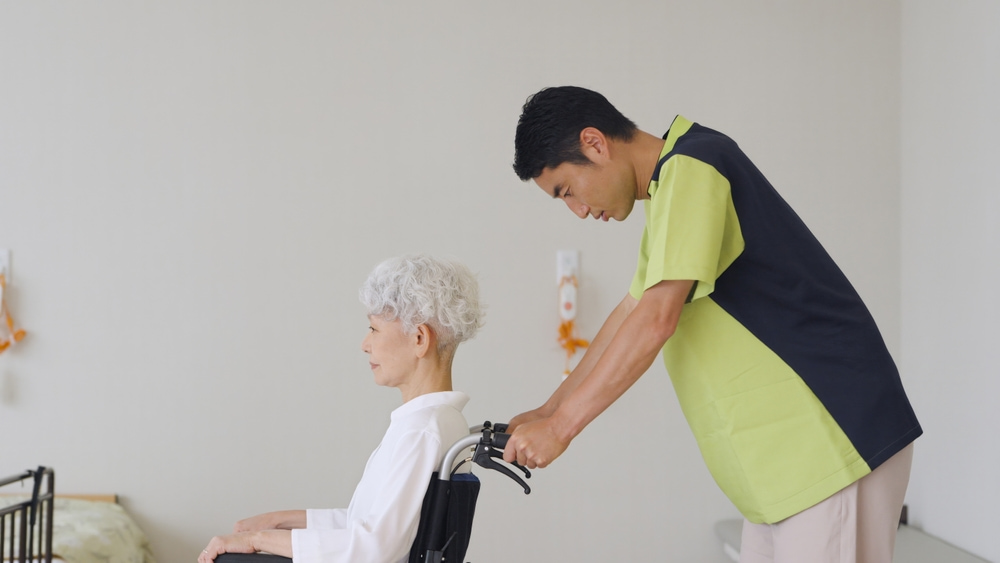









 1. Personalized care plans
 Who provides dependable senior home care near me in Burbank?