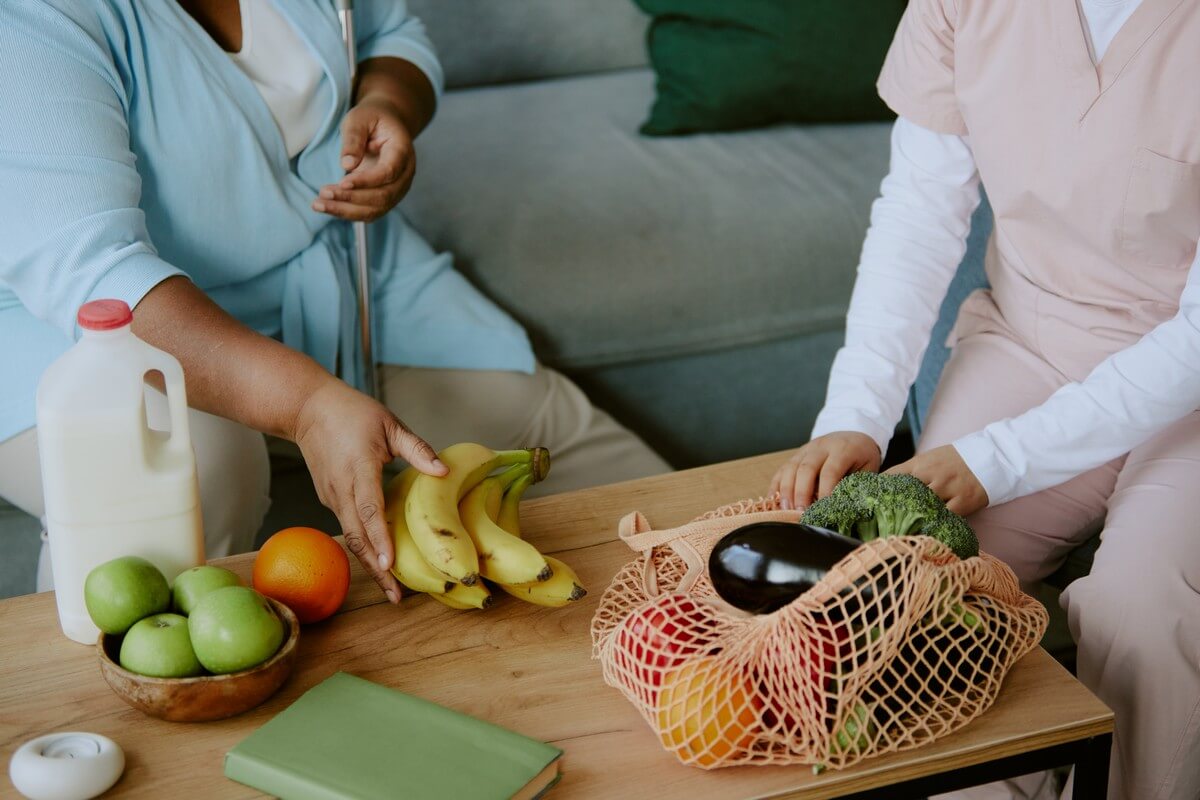
A fall can leave an older adult feeling uncertain long after the physical soreness has faded. They may hesitate before using the stairs, avoid walking outside alone, or turn down outings they once enjoyed. That loss of confidence can gradually make daily life feel smaller. Families using home care in Northridge can help by creating opportunities for their loved one to feel steady, capable, and comfortable again without rushing the process or taking over everything they still do well.
Why can a fall affect a senior’s confidence so much?
After a fall, an older adult may start looking at familiar surroundings differently. A hallway that once felt ordinary might suddenly seem risky. A short walk to the mailbox can feel intimidating when they are worried about losing their balance again.
The fear of falling can lead older adults to cut back on activities, which can reduce physical fitness and make everyday movement harder. Family members can help by taking that fear seriously while still encouraging the senior to stay engaged in daily life.
How can you help a senior feel secure again?
Confidence usually returns through small, successful experiences. The key is to make support feel useful without making the senior feel incapable.
1. Start with activities that feel manageable
Ask which movements or situations make your loved one nervous now. They may feel comfortable walking around the kitchen but worry about stairs, uneven sidewalks, or getting out of the shower.
Start with what feels achievable. A short walk outside, preparing lunch together, or accompanying them on a simple errand can help them rebuild confidence at their own pace. Try not to fill every activity with warnings. Constant reminders to “be careful” can make a person feel as though another fall is expected.
2. Make practical changes around the home
A fall is a good reason to take another look at the spaces your loved one uses every day. Loose rugs, poor lighting, cluttered walkways, and frequently used items stored out of reach can make movement more difficult.
Small adjustments can make the home easier to navigate while preserving familiar routines. This becomes especially important when support needs start changing. A person who previously managed everything alone may now benefit from help with a few specific tasks without needing assistance throughout the entire day.
3. Bring familiar routines back gradually
Regaining confidence is easier when normal life starts to feel normal again. Encourage your loved one to return to activities they enjoyed before the fall, even if they need someone with them at first.
That might mean sitting outside with morning coffee, visiting a friend, taking a short walk, or going to a favorite restaurant. Someone who is also adjusting to life without driving may already feel less independent, so avoiding outings after a fall can deepen that feeling. Reliable transportation and a familiar companion can make getting out feel more manageable.
4. Let the senior decide where extra help feels useful
Family members often become more protective after a fall. It is natural to want to prevent another accident, but constant supervision can leave an older adult feeling as though they are no longer trusted.
Ask what would make them feel safer. They might want assistance during showers, company on walks, help carrying groceries, or someone nearby during certain parts of the day. Their answers give families a clearer idea of where support is actually needed.
5. Keep everyone on the same page
When siblings, relatives, and professional caregivers all contribute, communication matters. Coordinating help among family members can prevent repeated check-ins, conflicting advice, and confusion about appointments or daily responsibilities.
A shared calendar or short family update can be enough to keep everyone informed without making the senior feel constantly monitored.
How can I find dependable home care in Northridge and the surrounding area?
A Better Way in Home Care can provide practical support while an older adult becomes comfortable with everyday activities again. A caregiver can assist with walks, errands, personal care, meal preparation, transportation, companionship, and other routines that may feel more challenging after a fall.
For families near California State University, Northridge and throughout the surrounding community, our team can help build support around what your loved one actually needs while respecting the things they still want to handle independently. Contact us to discuss what has changed since the fall and how the right level of assistance can help everyday life feel comfortable again.
Giving up driving can change far more than how an older adult gets from one place to another. A car often represents independence, privacy, and the freedom to make plans without relying on someone else. When driving is no longer safe or practical, that loss can be difficult to accept. Families working with caregivers in Northridge can make the transition easier by focusing on what the senior still wants to do and finding dependable ways to keep those routines within reach.
Why is giving up driving so difficult for older adults?
For someone who has driven for decades, handing over the keys can feel like losing part of everyday independence. A trip to the grocery store, a doctor’s appointment, or lunch with a friend suddenly requires planning around another person’s availability.
That shift can bring frustration, embarrassment, or worry about becoming a burden. Some seniors also begin staying home more because asking for a ride feels inconvenient.
How can you help a senior adjust after they stop driving?
The transition usually goes more smoothly when family members recognize the emotional loss instead of treating transportation as the only problem to solve.
1. Keep the senior involved in transportation decisions
A new transportation routine should still give the older adult choices. Ask which outings matter most, which days they prefer to run errands, and who they feel comfortable riding with. The National Highway Traffic Safety Administration recommends involving older adults in these conversations and planning ahead for how they will stay connected when they reduce or stop driving.
Try to preserve familiar habits where possible. If Tuesday morning has always been grocery day, keeping that routine can make the change feel less disruptive. Regular appointments, religious services, visits with friends, and favorite local stops can all remain part of the schedule.
2. Replace lost spontaneity where you can
Scheduled transportation covers necessary trips, but seniors can also miss the ability to simply decide they want to go somewhere.
Family members and caretakers can leave room for unplanned outings, whether that means grabbing coffee, stopping by a favorite store, or taking a short drive just to get out of the house. That flexibility can help the senior feel less confined by the change.
Families thinking about what to do when an aging parent’s care needs keep changing may also find that transportation is one of the first areas where a little additional support makes daily life noticeably easier.
3. Watch for signs that confidence is slipping
Some seniors adjust quickly. Others gradually stop suggesting outings, turn down invitations, or rely almost entirely on one family member. Pay attention to comments such as:
“I don’t want to bother anyone.”
“It’s easier if I just stay home.”
“You already have enough to do.”
“I don’t really need to go.”
These statements can signal that the senior is limiting their life because transportation now feels complicated. The emotional response can look similar to what families see when learning how to help a senior rebuild confidence after a fall. In both situations, the goal is to provide enough support to make activities feel manageable while still allowing the person to make choices for themselves.
4. Create a dependable routine without taking over
Consistency helps. When a senior knows who will take them to an appointment or when errands usually happen, they do not have to renegotiate every trip.
If several relatives or helpers are involved, a shared calendar can also reduce confusion. The senior should remain part of those decisions. Ask before changing established plans, leave room for preferences, and avoid treating transportation like another task on the family schedule.
How can I find experienced caregivers in Northridge and the surrounding area?
A Better Way in Home Care helps older adults continue participating in the routines and outings that make everyday life feel familiar. Whether your loved one needs help getting to appointments, running errands, visiting friends, or simply getting out of the house more regularly, dependable support can make giving up driving feel less limiting.
For families near Northridge Recreation Center and throughout the surrounding area, our team can help create a care arrangement that respects your loved one’s preferences while making transportation easier to manage. Contact us to discuss the kind of support that would help them stay connected to the people, places, and routines that matter.
Food is woven into a senior’s daily rhythm. A familiar breakfast, a favorite soup, or the way coffee is prepared can carry years of habit and comfort. When a caregiver begins helping with meals, those details shape whether support feels welcome and whether the food is actually eaten. Families consideringhome care in Chatsworth can make the transition smoother by explaining the person’s preferences before the first meal is planned.
What food preferences should families share with a caregiver?
Families should share the senior’s favorite foods, dislikes, dietary requirements, usual portions, meal times, and preferred ways of preparing and serving food. The caregiver also needs to know which choices are flexible and which ones are important to the person’s comfort, health, culture, or identity.
A useful overview may include:
Foods the senior enjoys and avoids
Allergies, intolerances, and physician-directed restrictions
Preferred brands, textures, seasonings, and temperatures
Cultural, religious, or family food traditions
Typical breakfast, lunch, dinner, and snack times
Foods that are easy or difficult to chew or swallow
Changes in appetite, weight, or interest in meals
How much help the senior wants with shopping, cooking, and cleanup
Families should also explain whether the senior likes company while eating, prefers a quiet table, or has a particular place where meals are usually served. These personal details belong among theimportant routines and boundaries to discuss before care begins.
A caregiver should receive current medical instructions directly from the family or an appropriate healthcare professional. They shouldn’t guess why a food is restricted or independently change a prescribed diet. Clear information helps them prepare suitable meals while staying within their non-medical role.
Why do food routines matter for seniors?
Food routines matter because familiar timing and preparation can make meals easier to anticipate, enjoy, and complete. Regular meals also bring structure to the day, especially for a senior whose appetite varies or who becomes tired by late afternoon.
A sudden change in the menu may appear minor to someone new in the home. For the senior, it can affect appetite and comfort. Taste and smell can change with age, and some medications can also influence how food tastes or how hungry a person feels. Caregivers should pay attention when a once-loved food is repeatedly left untouched and share the pattern with the family.
Meal routines can also help families decide when support is most useful. When breakfast is often skipped or dinner preparation has become tiring, they may need tochoose care hours around the meals that create the most difficulty. Observing these patterns gives the family practical information for future care decisions.
How can caregivers make meal support feel more comfortable?
Caregivers can make meal support more comfortable by offering choices, preserving familiar habits, and involving the senior at a level that feels manageable. A person may enjoy selecting vegetables, stirring a sauce, setting out napkins, or simply deciding between two familiar dishes.
Comfortable meal support often includes:
Asking before changing a recipe or routine
Offering a few clear choices without creating pressure
Preparing portions that feel approachable
Keeping commonly used items in familiar places
Allowing enough time to eat without rushing
Making note of foods that are accepted, refused, or requested
Keeping conversation pleasant and following the senior’s lead
Flexibility matters on unusual days. A medical visit may delay lunch, reduce appetite, or leave the senior too tired to cook. Families can plan lighter meals and extra support around doctor appointment days that tend to be especially draining.
Caregivers should also avoid turning every meal into a discussion about nutrition. Gentle encouragement and practical adjustments often feel more respectful. When appetite, swallowing, weight, or food tolerance changes noticeably, the caregiver should document what they observe and inform the family so the appropriate healthcare professional can be consulted.
Who can help families arrange dependable home care in Chatsworth and the vicinity?
Good meal support begins with knowing the person behind the routine. A Better Way in Home Care has connected families with carefully vetted caregivers since 1998, with an emphasis on thoughtful matching, dignity, trust, and individual preferences. The team can help families look for a caregiver whose experience and approach fit the senior’s daily needs.
Whether your loved one lives near the Chatsworth Nature Preserve or elsewhere in Chatsworth, sharing food habits early can give the caregiver a more useful starting point. Reach out to discuss meal preparation, companionship, daily routines, and the kind of caregiver relationship that would help your loved one feel comfortable at home!
A medical appointment may occupy only one line on the calendar, yet it can shape an older adult’s entire day. Getting ready, leaving home, traveling across town, waiting, answering questions, and adjusting the usual routine all require energy. Families exploring in-home care in Chatsworth may find that appointment days are one of the clearest times when steady support can make daily life feel more manageable.
Why are doctor appointments hard for older adults?
Doctor appointments can be difficult for older adults because they combine physical effort, mental concentration, schedule changes, and emotional uncertainty. Each part may seem small on its own. Together, they can leave a senior tired before the visit is even over.
1. The preparation starts hours earlier
Getting dressed and gathering insurance cards, identification, medication information, and mobility aids can take time. A senior may also need help remembering questions, organizing paperwork, or confirming when to eat and take medication.
Morning appointments can feel especially demanding when stiffness, pain, low energy, or a slower personal-care routine already makes the start of the day challenging. An afternoon visit can create a different problem by interrupting lunch, rest, medication, or other familiar habits.
2. Travel requires physical and mental effort
Reaching the doctor’s office involves more than a car ride. A senior may need to walk farther than usual, manage steps or curbs, transfer in and out of a vehicle, and navigate an unfamiliar building. Traffic, parking, weather, and long hallways can add more strain.
The person may also spend much of the trip thinking about the appointment. Worry about test results, a new symptom, or a possible treatment change can make the day emotionally tiring.
3. The visit demands sustained attention
Medical appointments often involve forms, questions, instructions, and unfamiliar terminology. Hearing or vision changes can make communication harder, while pain or fatigue may reduce concentration. A senior may understand the conversation in the moment and still have trouble recalling every detail later.
The National Institute on Aging recommends preparing medication lists, concerns, insurance information, and other records before a visit. It also notes that many older adults find it helpful to have a family member or friend accompany them. Preparation can reduce pressure, although it still requires time and coordination.
4. A disrupted routine can linger afterward
Appointment days may delay meals, shorten rest periods, or change medication timing. Some seniors return home hungry, overstimulated, or too tired to prepare food. Others need quiet time to process what the doctor said.
Families can account for these patterns whenmatching care hours to the senior’s hardest parts of the day. A few well-placed hours around an appointment may be more useful than support scheduled at a time when the senior usually feels comfortable and independent.
How can families make doctor appointment days easier for seniors?
Families can make appointment days easier by reducing decisions, allowing extra time, and planning for the hours before and after the visit.
Helpful steps may include:
Confirming transportation and accessibility in advance
Preparing documents, medications, and questions the day before
Packing water, a snack, glasses, hearing aids, and mobility equipment
Writing down instructions and follow-up steps
Leaving time for a meal and rest after returning home
It also helps to explain appointment routines whensharing important information before care begins. A caregiver should know whether the senior prefers quiet conversation in the car, needs assistance entering the office, becomes anxious in waiting rooms, or usually feels worn out afterward.
Food can affect comfort as well. Familiar snacks, meal timing, andthe senior’s food preferencesand usual eating routines can help families plan a gentler return home.
Where can families find professional in-home care in Chatsworth and the vicinity?
Families can turn to A Better Way in Home Care for help connecting with a caregiver suited to their loved one’s needs. Transportation, companionship, mobility assistance, meal preparation, medication reminders, and help settling back in at home can reduce the number of tasks the older adult and family must manage at once.
Since 1998, we have connected families with carefully vetted caregivers through thoughtful matching centered on personal needs, dignity, and independence. Whether your loved one lives near Stoney Point Park or elsewhere in the Chatsworth area, families can discuss the parts of appointment days that feel most difficult and explore a care arrangement that provides dependable help when it matters most. Reach out today!
Arthritis can make everyday tasks more difficult than they used to be. Simple movements like getting out of bed, opening a jar, or walking across a room can become slow and uncomfortable. Families who begin looking into elderly care providers in Woodland Hills often do so after noticing these changes and wanting to make daily life easier for their loved one with arthritis. With the right support and small adjustments at home, it is possible to improve comfort and maintain independence.
How does arthritis affect daily life at home?
Arthritis impacts more than just physical movement. It can also influence energy levels, mood, and overall quality of life.
1. Reduced mobility and flexibility
Stiff joints can make it harder to move freely, especially in the morning or after sitting for long periods. This can affect everything from walking to getting dressed.
2. Ongoing pain and discomfort
Pain levels can vary from day to day, but even mild discomfort can make routine tasks feel overwhelming. Over time, this may lead to frustration or avoidance of certain activities.
3. Increased risk of falls
Limited movement and joint instability can affect balance. This makes navigating the home, especially at night or on uneven surfaces, more challenging.
What changes can you make at home to improve comfort?
Creating a supportive environment can make a noticeable difference in how a senior with arthritis feels day to day.
1. Reduce strain in high-use areas
Focus on spaces used most often, such as the kitchen, bathroom, and bedroom. Helpful adjustments include:
Keeping frequently used items within easy reach
Using chairs with proper support
Avoiding low seating that is hard to get up from
These small changes help reduce unnecessary strain on joints.
Many families near Mullholand Drive find that simple safety updates can make a big difference in daily comfort.
3. Support daily routines with helpful tools
There are many assistive devices designed specifically for people with arthritis. Examples include:
Easy-grip utensils
Jar openers
Shower chairs
Handheld showerheads
These tools allow seniors to maintain independence while reducing strain.
How can you help manage arthritis symptoms at home?
While arthritis cannot be cured, there are ways to help manage symptoms and improve overall well-being.
1. Encourage gentle movement
Regular, low-impact movement helps keep joints flexible and reduces stiffness. Activities like short walks or light stretching can make a noticeable difference when done consistently.
2. Create a comfortable rest environment
Rest is important, especially during flare-ups. A supportive mattress, proper pillows, and a calm environment can help improve sleep and recovery.
3. Help maintain a consistent routine
Having a steady daily routine can make it easier to manage pain and energy levels. It also reduces stress, which can sometimes make symptoms feel worse.
When should you consider additional support?
There may come a point when daily care needs go beyond what family members can comfortably manage.
Tasks are becoming more difficult: If your loved one is struggling with basic activities like bathing, dressing, or preparing meals, extra help can improve both safety and quality of life.
Pain is limiting independence: When discomfort begins to prevent normal movement, having assistance available can help maintain daily routines.
Caregiving is becoming overwhelming: Supporting someone with arthritis can take time and energy. Bringing in help allows families to focus on spending meaningful time together rather than managing every task.
How can elderly care providers in Woodland Hills support seniors with arthritis?
At A Better Way In Home Care, we understand how arthritis affects both physical comfort and daily routines. The caregivers we match you with provide thoughtful, consistent support tailored to each individual, helping with mobility, personal care, and everyday tasks.
Whether your loved one needs occasional assistance or more regular care, we focus on creating a comfortable and supportive environment that promotes independence while reducing strain. With the right support in place, daily life can feel more manageable and less stressful.
Reach out today to learn how we can help your loved one stay comfortable and supported at home.
Caring for an aging loved one often means paying close attention to small changes in their daily routine. Some signs are easy to notice, while others appear gradually over time. Families who start exploring senior home care in Woodland Hills often do so after realizing that nighttime is becoming a point of concern. Understanding what to look for can help you decide when additional support and overnight care may be needed.
What changes at night can signal a need for extra care?
Nighttime can reveal challenges that are not always visible during the day. A loved one may seem independent in the afternoon but struggle once the house becomes quiet.
1. Frequent waking or restlessness
Waking up several times throughout the night can increase the risk of falls and confusion. Some seniors may wander, while others may feel disoriented when getting out of bed. If this becomes a pattern, it may be a sign that supervision during the night would improve both safety and comfort.
2. Difficulty using the bathroom safely
Trips to the bathroom are one of the most common reasons seniors get up at night. Poor lighting, reduced balance, or slower mobility can make these trips risky. If your loved one has already experienced a close call or a fall, it may be time to consider overnight support.
3. Increased confusion after dark
Some seniors experience more confusion in the evening. This can lead to anxiety, agitation, or difficulty recognizing familiar surroundings. Even in a calm home, these moments can feel overwhelming without someone nearby to offer reassurance.
How can changes in health and behavior affect nighttime safety?
Physical and cognitive changes often become more noticeable at night, when there are fewer distractions.
1. Memory issues that disrupt routines
Forgetting to turn off appliances, lock doors, or take medications can become more noticeable overnight. These lapses may seem small at first but can pose real risks. Having someone present can help maintain a safe and consistent routine.
2. Ongoing medical concerns
Conditions such as arthritis, heart issues, or breathing difficulties can feel more intense at night. Pain or discomfort may interrupt sleep and make movement more difficult. Support during these hours can help manage symptoms and prevent complications.
3. Recovery after a hospital stay
Returning home after a hospital visit often comes with temporary limitations. Strength, balance, and confidence may not be fully restored right away. Many families near Warner Center Park find that having overnight care during recovery provides peace of mind while their loved one regains stability.
When does it make sense to consider overnight care?
Deciding when to bring in additional support is not always simple, but certain patterns make the need clearer.
1. Safety concerns are becoming more frequent
If you find yourself worrying about falls, wandering, or missed medications, those concerns are worth paying attention to.
2. Family members are losing sleep
Caregiving often extends into the night, especially when a loved one needs help multiple times. Over time, this can lead to exhaustion and stress. Overnight care allows everyone to rest while ensuring your loved one is supported.
3. Daily routines are becoming harder to maintain
When nighttime challenges begin affecting daytime energy and mood, it may be time to introduce consistent support.
How can senior home care in Woodland Hills support overnight care needs?
At A Better Way In Home Care, we understand that nighttime can bring a different set of challenges for both seniors and their families. We’re here to connect you to caregivers who provide attentive, compassionate support throughout the night, helping with mobility, comfort, and safety so your loved one can rest more easily.
Whether your family needs short-term support or a more consistent care plan, we are here to help create a solution that fits your situation. With a steady presence and thoughtful care, we help bring peace of mind to the hours that matter most. Reach out today to learn how we can support your loved one at home.
A healthy diet helps to keep the body strong and fit. As people grow older, there are many changes that they undergo. Their bodies become weak, and their state of mind may be affected. They also become vulnerable to different types of diseases. One way of ensuring that your senior loved one stays physically and mentally fit is by providing them with a healthy diet. Healthy eating can help an elderly person regain lost energy and remain mentally stable.
Why do the elderly need a healthy diet?
Before we look at the components of healthy eating, it would be good to look at what a senior gains by following a healthy diet. Here are some of the benefits:
Improves the immune system
Most elderly in need of Brentwood caregiver services tend to be taken down by many different diseases. As we grow older, the body’s immune system becomes weaker, making us vulnerable to many diseases. A healthy diet improves the body’s ability to fight off diseases, making us healthy. Sometimes, the decision to reach out for professional care may come from ongoing health challenges, so it’s important to understand when it’s time to get assistance and ensure timely support.
Stronger body
A healthy diet contains different nutrients which nourish different parts of the body. The bones of an elderly are weak, and this can affect the functioning of their body. The same applies to the teeth. They tend to be weaker as one grows old. Some vitamins and minerals play a significant role in strengthening bones and teeth.
Better mental health
The mental health of an elderly is likely to be affected as one grows older. Most seniors are faced with the problem of making proper judgments, and one cause of this problem is poor mental health. Instead of going to the pharmacy to buy drugs, you can just use home-made foods. Some types of food act as brain boosters. They improve the performance of the brain and sharpen the mind of the individual.
Happier and longer living
No single person wants to die, or at least not prematurely. Do you know that one secret of long living is eating a healthy diet? A disease-free person can live longer. The moods of the elderly can be influenced by the type of foods that they eat. A healthy meal will improve their mood and make them feel happy about life. A less nutritious meal can dampen their mood.
What does a healthy diet consist of?
The diet of a senior is quite similar to that of any other person. The only difference is that this diet should be tailored to meet the needs of an old person. Also, the mode of food preparation is different from what the younger generation can take. In choosing a healthy diet plan for your senior loved one, you should consider vital facts such as allergic reactions and genetic factors.
A healthy diet plan should include the following:
Fruits and vegetables: Fruits and vegetables in their natural forms are rich in vital nutrients, such as vitamins. It is always recommended to use colorful fruits like berries, ripe bananas and melons, and leafy vegetables.
Calcium: Calcium is mostly found in dairy products such as milk, cheese, and yogurt. The nutrient helps with strengthening bones and teeth.
Proteins: Lean proteins can assist in the replacement of dead cells and tissues. The source of lean proteins includes dairy products and legumes.
Omega 3: The role of Omega 3 is to improve the performance of the brain, something that the elderly much need.
Without proper help, a senior will easily ignore a proper diet. But if you find a good Brentwood home caregiver, you will have found the right person, one that can truly help seniors to stick to a healthy eating program. This can help them not only maintain good health but also preserve their independence and age with grace. The caregivers have been well trained to provide the best services to their clients.
It is no wonder that many elderly who live alone and lack proper care and assistance with their daily activities suffer from sudden weight loss. They often have difficulty regulating their food intake, or, worse yet, may start refusing to eat altogether. Since this can have a detrimental effect on their health and immunity, it’s important to address this issue effectively.
Finding the right solution isn’t always straightforward, and deciding on the best course of action can be difficult. This is why many families seek support from experienced home care professionals in Los Angeles. At A Better Way of Home Care, all of our referred professionals are skilled in developing strategies to help your elderly loved ones and protect their health.
What causes an elderly person to stop eating?
Some loss of appetite in old age is often normal. It’s not uncommon for the elderly to experience changes in their appetite or loss of appetite. It may happen naturally, as part of the aging process.
However, there may be other reasons for their lack of appetite, which could be remedied. If you’re wondering what it means when an elderly person stops eating, here are some possible causes to explore:
Changing taste buds due to age (causing food to taste bland)
Slowing metabolism as a result of aging
Loneliness and depression
Lack of energy to shop for groceries and prepare food
Lack of physical activity
Deteriorating health
Side effects of medication (some medications cause nausea or dry mouth by reducing saliva production, making it uncomfortable to eat)
Poorly fitting dentures (which may be moving and slipping, making eating painful)
It’s always worth looking into the reason behind your loved one’s appetite loss because it may be a sign of an underlying problem.
In many cases, these issues can be easily solved. For example, your elderly relative may benefit from some very simple accommodations, like getting in-home support for meal preparation. While seniors often hesitate to adapt to changes, having a caregiver help with cooking and everyday tasks may be just the change they need.
In other cases, a medical check-up or full-time supervision can be helpful in uncovering the root cause and treating the senior’s appetite loss. It’s best to act with precaution since refusing to eat could ultimately result in nutrient or vitamin deficiency.
What health conditions can lead to the loss of appetite in seniors?
Gastrointestinal issues, which can disrupt normal eating and digestion.
Diabetes
Cancer
This is why an unexplained decrease in appetite should be investigated, especially if it’s accompanied by other issues, like weight loss.
When should loss of appetite be a concern?
Here are some instances where appetite loss should be taken seriously:
Lasting more than a few days: If the loss of appetite persists beyond several days without a clear reason like temporary stress or a mild illness.
Leading to weight loss: When it results in noticeable, unintentional weight loss, which can significantly impact health.
Accompanied by other symptoms: If it comes with additional symptoms such as fatigue, mood changes, digestive problems, or general weakness.
Existing health conditions: In seniors with pre-existing medical conditions, a decrease in appetite can complicate their health issues and hinder treatment.
Risk of nutritional deficiencies: Elderly individuals are at higher risk for nutritional deficiencies, and a prolonged loss of appetite can worsen these risks.
It’s crucial for caregivers or family members to monitor these signs closely and seek medical advice to ensure the health and well-being of elderly loved ones.
How do you stimulate your elderly loved one’s appetite?
Encouraging someone to eat when they’re not interested can be tough, but it’s crucial to keep trying and be patient with them. Fortunately, there are several strategies to treat elderly appetite loss, including natural appetite stimulants and effective methods to encourage eating.
Here are some tips:
Address underlying issues: First, identify if the loss of appetite is due to illness, medication, or other health concerns. Consulting a doctor to address these issues is crucial.
Establish a routine: Eating at the same times each day can help condition the body to feel hungry at meal times.
Adapt eating habits: If smaller, more frequent meals work better for your loved one, stick with that rather than forcing three large meals. Keep nutritious options that suit their eating style.
Enhance digestibility: Incorporating spices like fennel, ginger, rosemary, or turmeric can aid digestion and improve appetite. Also, avoiding food with strong smells may help.
Manage fluid intake: Drinking water between meals can aid digestion and prevent dehydration, which suppresses appetite. However, limiting fluid intake during meals is advisable as it can fill them up too quickly.
Vary food temperatures: Experimenting with different temperatures for meals can cater to changing preferences. At different times, warmer or cooler dishes may be more appealing to your elderly loved one.
Encourage socialization during meals: Turning mealtime into a social event can help stimulate appetite in older adults. Sharing meals with friends and family makes eating a more enjoyable activity, as laughter and conversation create a welcoming atmosphere everyone looks forward to. Additionally, this approach can give seniors a sense of empowerment and inclusion, enhancing their overall mealtime experience.
Encourage physical activity: Even moderate exercise, like regular walks or short drives to places like Will Rogers State Historic Park for some fresh air, can significantly increase appetite.
What food is good for seniors with no appetite?
For seniors experiencing a lack of appetite, it’s important to focus on nutrient-dense foods that provide essential vitamins and minerals in smaller portions. Here are some foods that are generally appealing and beneficial:
Smoothies and shakes: These can be packed with fruits, vegetables, protein powder, and yogurt or milk to provide a nutrient-rich meal that’s easy to consume.
Soups and broths: Warm and comforting, soups can be made with a variety of ingredients to ensure they are nutritious and can be easier to digest.
Oatmeal or porridge: Soft and easy to customize with toppings like fruit, nuts, and honey, oatmeal is comforting and easy on the stomach.
Scrambled eggs: High in protein and soft, scrambled eggs can be less daunting to eat and can be mixed with cheese or vegetables for added nutrients.
Cottage cheese or Greek yogurt: High in protein and calcium, these options are also soft and easy to eat. They can be paired with fruits or a drizzle of honey.
Mashed potatoes: Soft and comforting, they can be made more nutritious with the addition of a little olive oil or yogurt instead of butter and cream.
Steamed or roasted vegetables: These are easy to chew and digest; carrots, squash, and potatoes can be especially appealing.
Finger foods: Small, easy-to-handle foods like cheese cubes, cut-up fruit, or meatballs can be less overwhelming and more appealing to pick at throughout the day.
Soft fish: Fish like salmon or tuna are high in omega-3 fatty acids and are soft enough to eat comfortably.
Who provides expert home care & help with seniors’ nutrition in Los Angeles?
Worried about your loved one’s eating habits and not sure what to do when the elderly won’t eat or drink? There are gentle and effective strategies to help boost their appetite and ensure they receive the nutrition they need. If it’s becoming hard to cope on your own, getting support from a trained caregiver could be beneficial. While they might not know your elderly relative as intimately as you do, they bring valuable experience that can make a difference.
Juggling work, family, and the needs of an aging parent or relative can be overwhelming. The weight of these responsibilities can leave you feeling spread thin, constantly torn between the things that require your attention. You long to provide the best possible care for your aging loved one, but the demands of daily life can make it seem almost impossible. Luckily, there are various options for senior care all over Los Angeles that can help you make this significantly easier.
From preparing nutritious meals to providing medication reminders, an experienced professional can cater to a whole range of needs. In the meantime, you will be able to take a much-needed break and spend time with your aging loved one doing something you both genuinely enjoy doing instead of constant caretaking.
As our loved ones age, it’s only natural that we worry about their well-being. One of the many issues that can come with age is increased stress and anxiety. While some stress is normal, too much stress can lead to serious health problems.
That’s why it’s important to be on the lookout for signs of stress in your senior loved one and to know how to help them combat it. Whether you do this with the help of professional caregivers in Marina Del Rey or on your own, it’s important to be informed on the topic.
One of the main sources of stress for seniors is feelings of loneliness and isolation. According to UCSF’s study, more than 40% of seniors regularly experience loneliness. This can lead to business all sorts of other health problems, including depression, anxiety, high blood pressure, and sleep problems.
That’s why it’s important to make sure that your elderly loved one stays connected to their loved ones, whether that means setting up regular Skype calls or planning family visits.
2. Get them involved in their community
Another way to help reduce your elderly loved one’s stress is by getting them involved in their community. There are plenty of ways to do this, depending on their interests. If they’re interested in art, for example, you could look into joining a local art group or taking classes at a nearby museum or community center.
On the other hand, if they’re looking for something more active, there might be a senior citizen sports league in your area. Getting involved in activities outside the home can help reduce feelings of isolation and loneliness while also providing a sense of purpose.
3. Help them stay organized
As we age, it can become more difficult to keep track of things like doctor’s appointments, medications, and bills. This can lead to a lot of unnecessary stress, especially if the senior is experiencing symptoms of cognitive decline. Luckily, there are a few ways you can help your elderly loved one stay organized and on top of things.
One way is by creating a simple spreadsheet with all their important information like doctor’s appointment dates and contact information so they always have it on hand when they need it. You could also look into online bill-paying services or medication reminder apps that can help make things easier for them (and for you).
4. Promote healthy coping mechanisms
Sometimes the best way to deal with stress is by using healthy coping mechanisms like exercise or relaxation techniques. As we age, it’s important to stay active both mentally and physically through activities like brain games, reading, gardening, or walking outdoors.
Taking some time each day for some simple relaxation techniques like deep breathing or meditation can also work wonders in reducing stress levels. No matter how resilient your elderly loved one may be to stress, these techniques are helpful for stress reduction at any age.
5. Encourage them to eat right
What we eat plays a big role in our overall health, including our mental health, so it’s important to make sure that your elderly loved one is eating right. This means eating plenty of fruits and vegetables while limiting processed foods as much as possible.
It might also mean cutting back on caffeine or alcohol if either is causing problems with anxiety or sleep deprivation. Having balanced meals throughout the day will help keep energy levels up and stress down.
Where can I find experienced caregivers in Marina Del Rey and the surrounding area near me?
Our agency connects you with experienced in-home specialists in senior care who can help with all aspects of caring for your elderly loved one. We carefully screen and select professionals who are compassionate and skilled in providing high-quality care.
The professionals we match you with are trained to provide assistance with activities of daily living, personal care, light housekeeping, and much more. In addition, they can provide transportation to medical appointments and other errands as needed, as well as walks around Marina Beach with your elderly loved one.
If you’re interested in learning more about our in-home care services, contact us today! We would be happy to answer any of your questions and match you with a professional who can meet your or your loved one’s specific needs.