
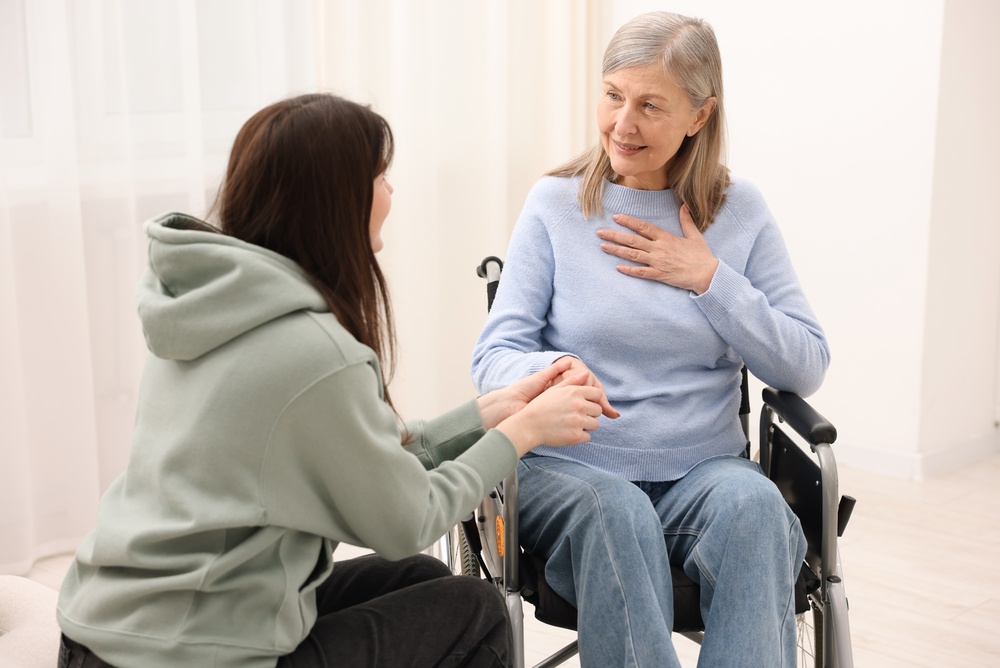
Why can a fall affect a senior’s confidence so much

How to Help a Senior Rebuild Confidence After a Fall

Archive for September 2026

How to Help a Senior Rebuild Confidence After a Fall

A fall can leave an older adult feeling uncertain long after the physical soreness has faded. They may hesitate before using the stairs, avoid walking outside alone, or turn down outings they once enjoyed. That loss of confidence can gradually make daily life feel smaller. Families using home care in Northridge can help by creating opportunities for their loved one to feel steady, capable, and comfortable again without rushing the process or taking over everything they still do well.

Why can a fall affect a senior’s confidence so much?

After a fall, an older adult may start looking at familiar surroundings differently. A hallway that once felt ordinary might suddenly seem risky. A short walk to the mailbox can feel intimidating when they are worried about losing their balance again.

The fear of falling can lead older adults to cut back on activities, which can reduce physical fitness and make everyday movement harder. Family members can help by taking that fear seriously while still encouraging the senior to stay engaged in daily life.

How can you help a senior feel secure again?

Confidence usually returns through small, successful experiences. The key is to make support feel useful without making the senior feel incapable.

1. Start with activities that feel manageable

Ask which movements or situations make your loved one nervous now. They may feel comfortable walking around the kitchen but worry about stairs, uneven sidewalks, or getting out of the shower.

Start with what feels achievable. A short walk outside, preparing lunch together, or accompanying them on a simple errand can help them rebuild confidence at their own pace. Try not to fill every activity with warnings. Constant reminders to “be careful” can make a person feel as though another fall is expected.
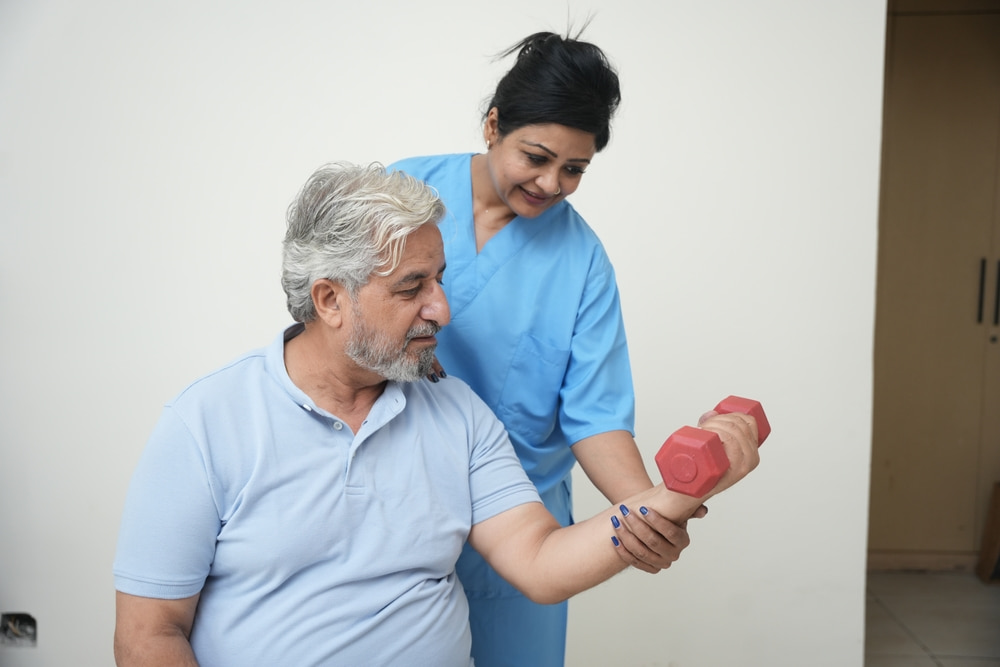
How can you help a senior feel secure again

2. Make practical changes around the home

A fall is a good reason to take another look at the spaces your loved one uses every day. Loose rugs, poor lighting, cluttered walkways, and frequently used items stored out of reach can make movement more difficult.

Small adjustments can make the home easier to navigate while preserving familiar routines. This becomes especially important when support needs start changing. A person who previously managed everything alone may now benefit from help with a few specific tasks without needing assistance throughout the entire day.

3. Bring familiar routines back gradually

Regaining confidence is easier when normal life starts to feel normal again. Encourage your loved one to return to activities they enjoyed before the fall, even if they need someone with them at first.

That might mean sitting outside with morning coffee, visiting a friend, taking a short walk, or going to a favorite restaurant. Someone who is also adjusting to life without driving may already feel less independent, so avoiding outings after a fall can deepen that feeling. Reliable transportation and a familiar companion can make getting out feel more manageable.

4. Let the senior decide where extra help feels useful

Family members often become more protective after a fall. It is natural to want to prevent another accident, but constant supervision can leave an older adult feeling as though they are no longer trusted.

Ask what would make them feel safer. They might want assistance during showers, company on walks, help carrying groceries, or someone nearby during certain parts of the day. Their answers give families a clearer idea of where support is actually needed.

5. Keep everyone on the same page

When siblings, relatives, and professional caregivers all contribute, communication matters. Coordinating help among family members can prevent repeated check-ins, conflicting advice, and confusion about appointments or daily responsibilities.

A shared calendar or short family update can be enough to keep everyone informed without making the senior feel constantly monitored.

How can I find dependable home care in Northridge and the surrounding area

How can I find dependable home care in Northridge and the surrounding area?

A Better Way in Home Care can provide practical support while an older adult becomes comfortable with everyday activities again. A caregiver can assist with walks, errands, personal care, meal preparation, transportation, companionship, and other routines that may feel more challenging after a fall.

For families near California State University, Northridge and throughout the surrounding community, our team can help build support around what your loved one actually needs while respecting the things they still want to handle independently. Contact us to discuss what has changed since the fall and how the right level of assistance can help everyday life feel comfortable again.

More

How to Help a Senior Adjust After Giving Up Driving

Giving up driving can change far more than how an older adult gets from one place to another. A car often represents independence, privacy, and the freedom to make plans without relying on someone else. When driving is no longer safe or practical, that loss can be difficult to accept. Families working with caregivers in Northridge can make the transition easier by focusing on what the senior still wants to do and finding dependable ways to keep those routines within reach.

Why is giving up driving so difficult for older adults?

For someone who has driven for decades, handing over the keys can feel like losing part of everyday independence. A trip to the grocery store, a doctor’s appointment, or lunch with a friend suddenly requires planning around another person’s availability.

That shift can bring frustration, embarrassment, or worry about becoming a burden. Some seniors also begin staying home more because asking for a ride feels inconvenient. 

How can you help a senior adjust after they stop driving? 

The transition usually goes more smoothly when family members recognize the emotional loss instead of treating transportation as the only problem to solve.

1. Keep the senior involved in transportation decisions

A new transportation routine should still give the older adult choices. Ask which outings matter most, which days they prefer to run errands, and who they feel comfortable riding with. The National Highway Traffic Safety Administration recommends involving older adults in these conversations and planning ahead for how they will stay connected when they reduce or stop driving.

Try to preserve familiar habits where possible. If Tuesday morning has always been grocery day, keeping that routine can make the change feel less disruptive. Regular appointments, religious services, visits with friends, and favorite local stops can all remain part of the schedule.

How can you help a senior adjust after they stop driving

2. Replace lost spontaneity where you can

Scheduled transportation covers necessary trips, but seniors can also miss the ability to simply decide they want to go somewhere.

Family members and caretakers can leave room for unplanned outings, whether that means grabbing coffee, stopping by a favorite store, or taking a short drive just to get out of the house. That flexibility can help the senior feel less confined by the change.

Families thinking about what to do when an aging parent’s care needs keep changing may also find that transportation is one of the first areas where a little additional support makes daily life noticeably easier.

3. Watch for signs that confidence is slipping

Some seniors adjust quickly. Others gradually stop suggesting outings, turn down invitations, or rely almost entirely on one family member. Pay attention to comments such as:

  • “I don’t want to bother anyone.”
  • “It’s easier if I just stay home.”
  • “You already have enough to do.”
  • “I don’t really need to go.”

These statements can signal that the senior is limiting their life because transportation now feels complicated. The emotional response can look similar to what families see when learning how to help a senior rebuild confidence after a fall. In both situations, the goal is to provide enough support to make activities feel manageable while still allowing the person to make choices for themselves.

4. Create a dependable routine without taking over

Consistency helps. When a senior knows who will take them to an appointment or when errands usually happen, they do not have to renegotiate every trip.

If several relatives or helpers are involved, a shared calendar can also reduce confusion. The senior should remain part of those decisions. Ask before changing established plans, leave room for preferences, and avoid treating transportation like another task on the family schedule.

How can I find experienced caregivers in Northridge and the surrounding area

How can I find experienced caregivers in Northridge and the surrounding area?

A Better Way in Home Care helps older adults continue participating in the routines and outings that make everyday life feel familiar. Whether your loved one needs help getting to appointments, running errands, visiting friends, or simply getting out of the house more regularly, dependable support can make giving up driving feel less limiting.

For families near Northridge Recreation Center and throughout the surrounding area, our team can help create a care arrangement that respects your loved one’s preferences while making transportation easier to manage. Contact us to discuss the kind of support that would help them stay connected to the people, places, and routines that matter.

More