

How to Support an Aging Parent Without Taking Away Independence
Helping an aging parent can feel delicate when they still want control over their routine, privacy, and choices. You may notice small safety concerns, missed meals, or changes in mobility, but stepping in too strongly can make them feel managed instead of supported. For families looking into professional elderly care in Hidden Hills, the goal is to offer help in a way that protects dignity, encourages confidence, and keeps your parent involved.
How can you help an aging parent stay independent?
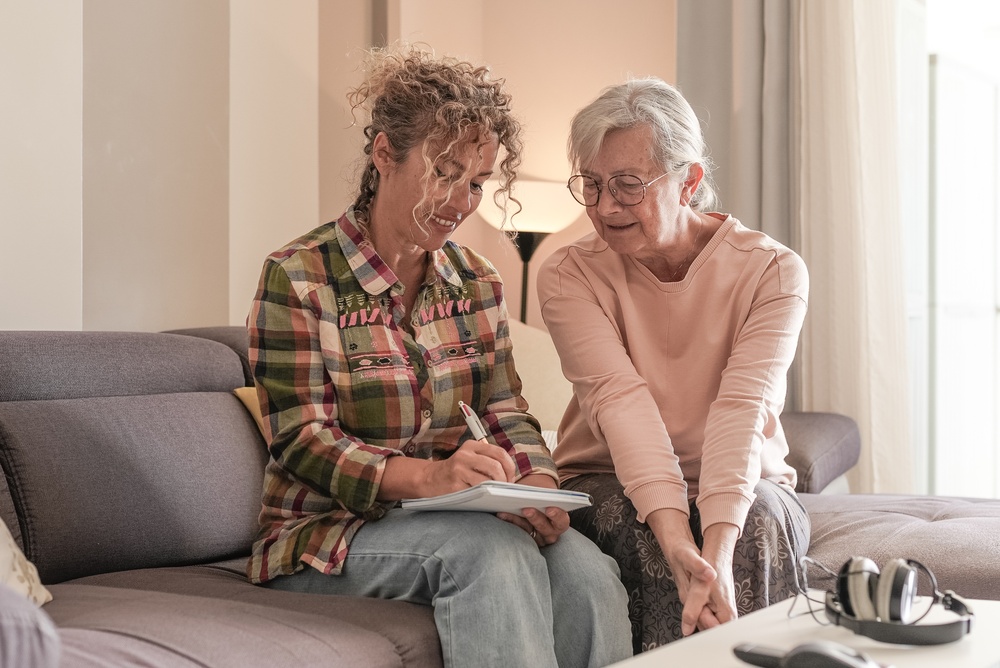
The best support usually feels like partnership, not control. When your parent still has a voice in daily decisions, help is more likely to feel respectful instead of intrusive.
1. Start with conversation, not correction
Aging parents may become defensive if every concern sounds like criticism. Instead of pointing out what they can no longer do, ask what has started to feel tiring, frustrating, or unsafe.
This creates space for honesty. If your parent seems to brush off concerns, it may help to understand the quieter signs that something could be wrong before deciding how to respond.
2. Offer choices whenever possible
Independence often comes down to choice. Let your parent decide when they prefer help, which tasks matter most, and what kind of support feels comfortable.
For example, they may accept help with errands before personal care. They may also prefer a companion for meal preparation or transportation rather than someone taking over the whole day.
3. Focus on safety without taking over
Safety changes should feel practical, not controlling. Better lighting, clear walkways, medication reminders, and help with heavier chores can support independence without making the home feel restrictive.
Many older adults want to keep living at home, and thoughtful planning can make the space safer while preserving routine. Families can use aging-in-place guidance from the National Institute on Aging as a helpful starting point for these conversations.
What kind of help supports independence at home?
The right kind of help depends on your parent’s needs, preferences, and comfort level. Support can be gradual, flexible, and personalized instead of all-or-nothing.
1. Begin with small, practical tasks
Small forms of help can make daily life easier without changing your parent’s identity or routine. This might include grocery shopping, light housekeeping, meal preparation, transportation, or appointment reminders.
Starting small also builds trust. Your parent can see that support does not mean losing control of their home or schedule.
2. Watch for caregiver strain in the family
Adult children often try to handle everything themselves at first. Over time, the emotional and physical load can become harder to manage, especially when care needs grow.
If helping your parent starts affecting your sleep, patience, work, or relationships, it may be time to look at what family caregiver stress can look like at home. Getting support early can protect both you and your parent.
3. Introduce professional care as a support system
Professional in-home care does not have to replace family involvement. It can fill the gaps that are hard for relatives to manage consistently, while allowing family visits to feel more personal.
A caregiver can provide companionship, meal help, transportation, mobility support, and daily living assistance based on your parent’s comfort level. If your parent is hesitant, understanding why help may feel hard to accept can make the conversation more compassionate.
Who provides compassionate elderly care in Hidden Hills and the surrounding area?

A Better Way in Home Care is a mother-daughter-founded, award-winning caregiving referral agency that has supported Los Angeles families since 1998. From homes around Hidden Hills and the rest of the Santa Monica Mountains, to communities across the Greater LA area, we connect families with carefully vetted, warm, and experienced in-home care professionals.
Our flexible support is built around each person’s independence, comfort, mobility, diet, routine, and dignity. If your parent needs gentle help at home without feeling like life is being taken over, contact us today to connect with a caregiver.
More