Sudden confusion in older adults can be alarming for families. A loved one who normally communicates clearly may suddenly seem forgetful, disoriented, or unusually tired. While these changes are sometimes assumed to be part of aging, they can actually signal an underlying medical issue that needs attention.
For families exploring home care in Woodland Hills, recognizing these warning signs early can help ensure seniors receive the right care and support. Many health concerns that affect seniors can show up first as confusion, and identifying the cause quickly can make a significant difference in recovery and overall well-being.
Why can infections cause sudden confusion in seniors?
Unlike younger adults, seniors may not always experience the typical symptoms associated with illness. Instead, infections or other health conditions may affect the brain before other symptoms become obvious.
1. Urinary tract infections are a common cause
Urinary tract infections, often called UTIs, are one of the most frequent medical issues that can cause sudden confusion in older adults. Instead of experiencing the burning sensation or discomfort many people associate with UTIs, seniors may instead show signs such as:
Sudden confusion or disorientation
Increased sleepiness or fatigue
Difficulty concentrating
Changes in mood or behavior
Because these symptoms can resemble dementia or memory decline, UTIs may sometimes go unnoticed without proper medical evaluation.
2. Dehydration can affect cognitive function
Even mild dehydration can impact how clearly a senior thinks. When the body lacks enough fluids, blood pressure and circulation can be affected, which may lead to dizziness, confusion, or weakness.
Seniors are particularly vulnerable because they may not feel thirsty as often as younger adults. Monitoring hydration throughout the day can help reduce the risk of these symptoms.
3. Medication changes may trigger confusion
Many seniors take several medications, and even small changes can sometimes lead to unexpected reactions. New prescriptions, dosage adjustments, or interactions between medications may cause confusion, drowsiness, or memory difficulties.
When sudden cognitive changes occur, reviewing medications with a healthcare provider can help determine whether adjustments are needed.
What other health issues can cause confusion in seniors?
Confusion can sometimes be a symptom of other medical conditions that require prompt attention.
1. Infections beyond UTIs
Respiratory infections, pneumonia, and other illnesses can also trigger confusion or sudden personality changes. In some cases, confusion may appear before other physical symptoms become noticeable.
Because of this, any sudden behavioral change should be taken seriously and discussed with a healthcare professional.
2. Blood sugar fluctuations
For seniors living with diabetes, blood sugar levels that are too high or too low may affect cognitive clarity. Symptoms can include dizziness, confusion, shakiness, or unusual fatigue.
Regular monitoring and balanced nutrition can help reduce these risks.
3. Sleep disruption or exhaustion
Sleep problems are common among older adults and can contribute to confusion or irritability during the day. Interrupted sleep, nighttime wandering, or untreated sleep conditions may make it harder for seniors to stay mentally alert.
Helping seniors maintain healthy sleep routines can support both cognitive and physical well-being.
When should families seek medical advice?
Families often notice behavioral changes before anyone else. If a loved one suddenly seems more confused than usual, it is important not to ignore the change.
Sudden or rapid changes in behavior: Confusion that appears quickly or worsens over a short period of time should always be evaluated by a medical professional.
Difficulty completing familiar tasks: If a senior suddenly struggles with routine activities such as preparing meals, following conversations, or remembering simple instructions, it may signal an underlying health concern.
Noticeable personality changes: Irritability, anxiety, or withdrawal that appears suddenly can also indicate a health issue rather than a behavioral change related to aging.
How can families find professional home care in Woodland Hills and the vicinity?
At A Better Way In Home Care, we understand how important it is to notice subtle changes in a loved one’s health. Our agency has been connecting families with compassionate caregivers for more than 26 years, helping seniors remain safe and comfortable at home.
Our team can help match your loved one with experienced caregivers who provide companionship, daily assistance, and recovery support. Whether your family lives near the Top of Topanga Overlook or elsewhere in the community, we are here to help you find the right care solution.
Returning home after a hospital stay can feel like a relief, but it often comes with new challenges for older adults and their families. Even after discharge, seniors may still need help with mobility, medication reminders, meals, and daily routines while they continue to recover. That adjustment period can be especially stressful when loved ones are trying to balance support with work, family, and other responsibilities.
For families exploring caregivers in Woodland Hills, having the right support in place can make the transition home safer, smoother, and far less overwhelming. With thoughtful preparation and the right kind of assistance, seniors can regain confidence at home while families gain greater peace of mind.
What should families do before a senior comes home from the hospital?
A successful transition often starts before discharge. Preparing the home and understanding a loved one’s immediate needs can help prevent confusion and reduce unnecessary setbacks.
1. Review discharge instructions carefully
Hospital discharge paperwork often includes important details about medications, mobility limits, follow-up appointments, and warning signs to watch for. Families should go over these instructions closely so everyone understands what kind of support will be needed in the first days and weeks at home.
2. Prepare the home for safety and comfort
Small adjustments can make a big difference after a hospital stay. Removing tripping hazards, setting up a comfortable resting area, and keeping essentials within easy reach can help a senior move around more safely and conserve energy during recovery.
3. Plan for help with daily routines
Many seniors need temporary or ongoing help with tasks that suddenly feel more difficult after hospitalization. Bathing, dressing, preparing meals, and moving around the house may all require extra support at first.
What kind of support helps most after a hospital stay?
Recovery at home is not just about rest. It also depends on consistent support, observation, and encouragement throughout the day.
1. Assistance with personal care
After a hospital stay, seniors may feel weaker, less steady, or more fatigued than usual. Help with bathing, grooming, dressing, and toileting can protect dignity while also reducing the risk of falls or overexertion.
2. Meal preparation and hydration support
Good nutrition and hydration are essential during recovery, but shopping, cooking, and remembering to eat or drink regularly may be difficult. Having someone assist with meals can make it easier for seniors to stay nourished and maintain strength.
3. Mobility and household help
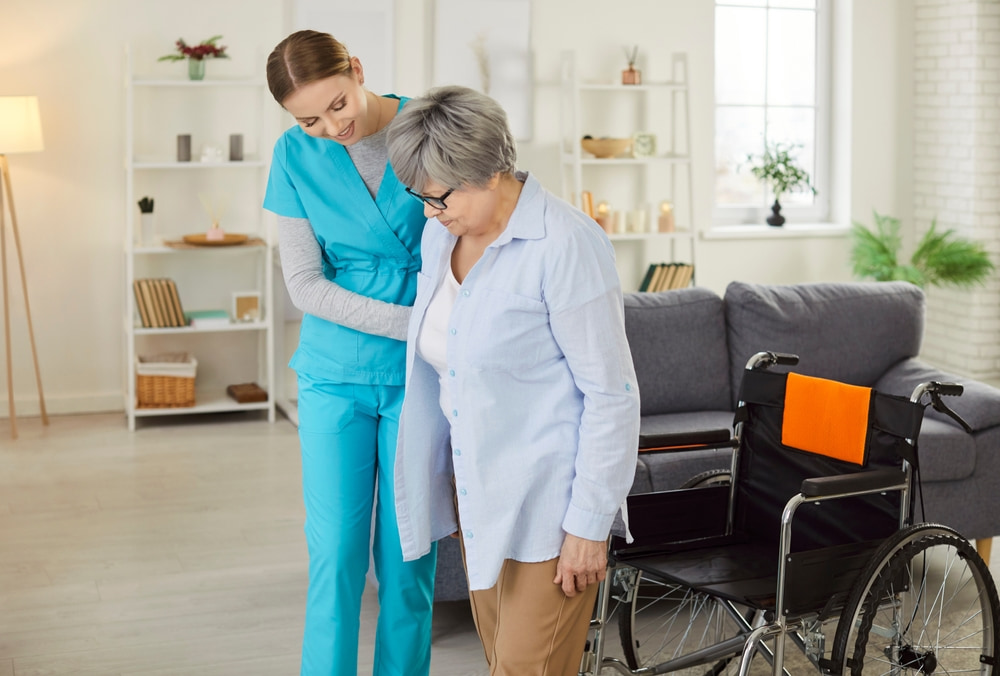
Simple activities like getting out of bed, walking to the bathroom, or tidying the home can become more demanding after surgery or illness. Light household support and mobility assistance can help seniors stay more comfortable while avoiding unnecessary strain.
4. Companionship and reassurance
The transition home can feel isolating, especially for seniors who are anxious about their recovery or afraid of another hospitalization. Regular companionship can provide emotional reassurance, reduce stress, and help seniors feel more confident.
Why is extra support so important during recovery?
Families often assume that once a loved one is discharged, the most difficult part is over. In reality, the first few days at home are often when the need for support becomes most clear.
1. Recovery can change from day to day
Energy levels, mobility, and mood may vary from one day to the next. Seniors may seem fine one morning and struggle more by evening. Ongoing support helps families respond more calmly to those changes.
2. Families may not be able to do everything alone
Loved ones want to help, but it is not always realistic for family members to provide round-the-clock support on their own. Outside help can ease that pressure and make it possible to maintain consistent care without burnout.
3. Peace of mind matters for everyone
Knowing a senior has dependable support at home can reduce anxiety for the entire family. It also allows loved ones to spend more meaningful time together rather than focusing only on tasks and logistics.
How can families find trusted caregivers in Woodland Hills and the vicinity?
At A Better Way In Home Care, we understand how important the transition home can be after a hospital stay. For more than 26 years, our mother-daughter-founded agency has helped families connect with compassionate, experienced caregivers who provide dependable support tailored to each client’s needs.
We can help you find the right support for your loved one’s recovery, comfort, and independence at home. Whether your family lives near Westfield Topanga or elsewhere in the community, our team is here to help. Get in touch today!
As we age, the need for personalized care becomes more evident. Whether it’s managing chronic conditions, recovering from surgery, or simply ensuring comfort at home, flexibility is essential. Seniors often experience fluctuating health, and having care that can adjust to meet those changing needs ensures they remain supported throughout the process.
In-home senior care in Burbank offers exactly that, care that adapts to meet seniors’ evolving needs, providing both the practical and emotional support necessary. In this post, we’ll discuss how in-home care’s flexibility enhances the quality of life by helping seniors maintain their independence and offering a deeper sense of security and comfort for both them and their families. Keep reading to learn more about how experienced caregivers can improve your life!
Why is flexibility important in caring for older adults?
Flexibility is key when caring for older adults because their needs can change frequently due to health conditions, personal preferences, or even the environment. In-home care offers the benefit of being adaptable, ensuring that seniors receive the appropriate level of care based on their current situation. Here are six ways it makes a difference:
1. Personalized care plans
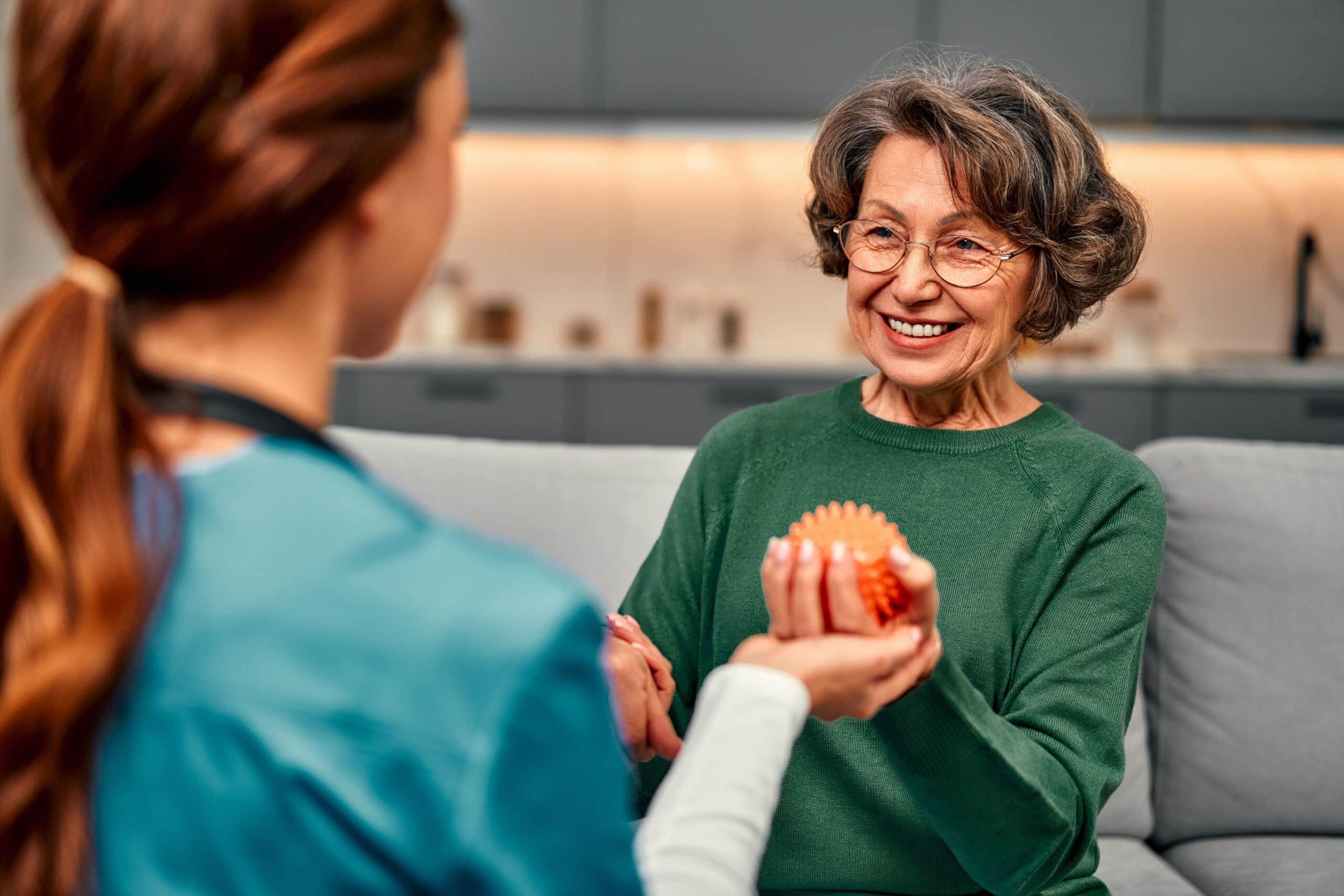
Each senior has unique care requirements. In-home caregivers can work with families to create a tailored care plan that fits the senior’s specific needs, whether it’s helping with mobility, personal care, or companionship. This flexibility ensures that the care plan adapts over time as the senior’s needs evolve. In-home care is more personalized than senior facilities, where care is generalized.
2. Adjusts to health fluctuations
Seniors often experience changes in their health, which may require different levels of support at different times. In-home care is uniquely flexible in this regard, allowing caregivers to increase or reduce their assistance as needed. For example, after surgery or during a health setback, a senior may need more help, and caregivers can easily accommodate this change.
3. Maintains independence
A significant advantage of in-home care is that it allows seniors to maintain their independence. They can continue living in the comfort of their own homes and manage their daily routines, while caregivers provide support as necessary. This flexibility helps preserve the senior’s dignity and promotes a sense of autonomy.
4. Emotional & social support
Loneliness can be a major issue for seniors, and social isolation can lead to depression and anxiety. In-home caregivers provide regular companionship, which can help reduce feelings of isolation. Caregivers can engage in activities, conversations, or even outings based on the senior’s preferences. Families often miss how valuable emotional support is until they experience the impact of personalized care.
5. Help with daily activities
Seniors may need assistance with everyday tasks like cooking, cleaning, and bathing. In-home care offers flexible help with these tasks based on the senior’s needs and preferences. If the senior’s needs increase due to a health condition, caregivers can offer more support. This level of care adapts as the senior’s condition changes.
6. Ongoing health monitoring
Seniors with chronic conditions need continuous monitoring, and in-home caregivers can adjust the level of care based on the senior’s current health needs. Whether it’s monitoring blood pressure, managing medications, or checking for signs of a potential issue, caregivers can provide proactive care that helps prevent emergencies. In-home care addresses everyday risks, ensuring that seniors are continuously monitored and cared for.
Who provides dependable senior home care near me in Burbank?
At A Better Way in Home Care, we believe that every senior deserves care as unique as they are. In Burbank, the compassionate caregivers we refer to can provide flexible, individualized support to help ensure that your loved one remains comfortable, independent, and secure at home.
From assisting with daily tasks to offering emotional support and companionship, the caregivers are dedicated to making life easier for both seniors and their families. No matter where you are in the San Fernando Valley, feel free to reach out today to see how we can help.
As seniors age, the home, once a place of comfort, can become a source of danger. Everyday hazards such as slips, falls, and medication mismanagement can pose serious risks. That’s what makes Burbank in-home senior care so essential.
Professional caregivers not only help with daily tasks but also prevent accidents, manage medications, and provide emotional support. Professional help ensures your loved ones remain safe, independent, and comfortable in their familiar surroundings while getting the personalized care they need. Here, we’ll discuss some of the common risks they face as well as how in-home care can provide comfort to your family.
What are the hazards for elderly people at home?
There are several everyday hazards that seniors may encounter in their homes, many of which can go unnoticed until an accident occurs. Let’s look at some of the most common risks.
1. Slips & falls
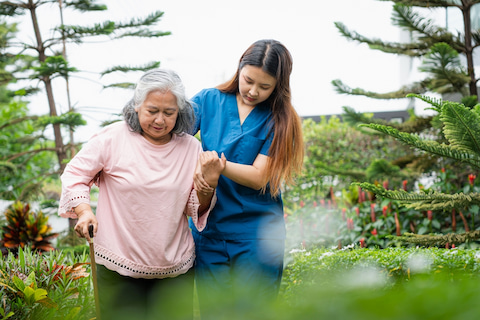
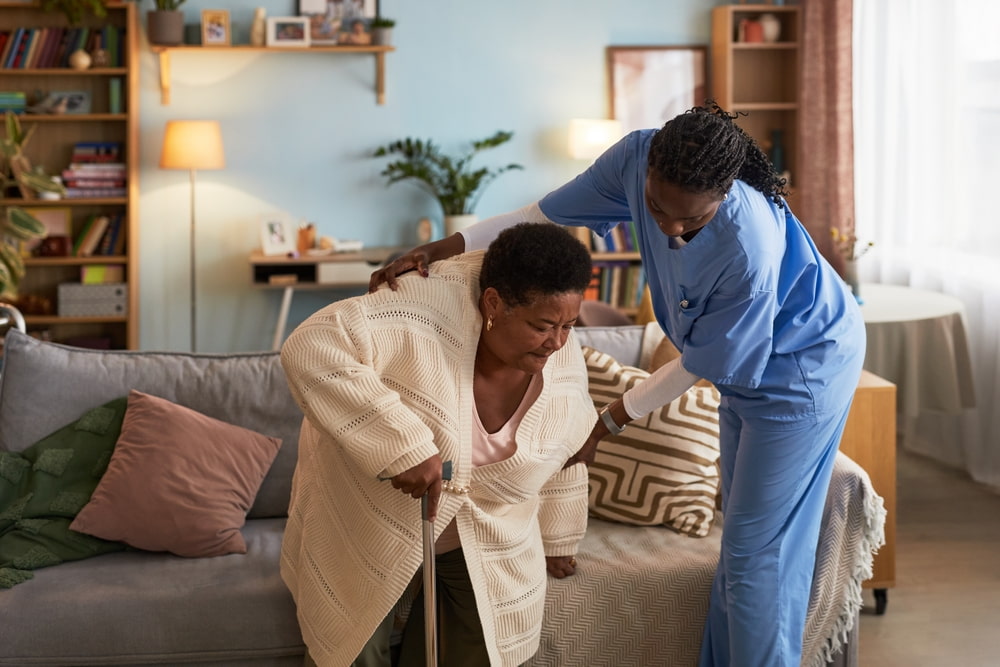
One of the leading causes of injury for the elderly is falls. Simple tasks like getting out of bed or walking to the bathroom can be dangerous, especially if the home isn’t properly adapted. Cluttered floors, poor lighting, and slippery surfaces all contribute to the risk.
Qualified pros can help identify the potential risks and make necessary adjustments, like adding grab bars or improving home lighting. This is particularly important because falls can often lead to serious injuries that take time to recover from. This is the main difference between in-home care and senior facilities: the former provides more personalized attention, while the latter may not always prioritize individual needs.
2. Medication management
With age, seniors often need to take multiple medications for chronic conditions. Forgetting to take medications or taking incorrect doses can have serious consequences. Dedicated caregivers assist with medication reminders and ensure that medications are taken on schedule and as prescribed, preventing dangerous errors.
This proactive support is vital in managing chronic health conditions and preventing complications. Many families don’t realize how crucial medication management is until they see how much it improves their loved one’s health once in-home care starts, which is something families often overlook until care begins.
3. Poor nutrition
Seniors may face challenges with eating, whether it’s due to mobility issues, poor appetite, or forgetfulness. A lack of proper nutrition can lead to weakness, weight loss, and even malnutrition. Caregivers provide support by preparing balanced meals and ensuring seniors maintain a healthy diet, addressing this crucial aspect of their well-being. Proper nutrition can be a major factor in maintaining energy levels, enhancing strength, and preventing other health issues.
4. Chronic health issues & emergencies
Conditions such as heart disease, diabetes, and arthritis can make daily life harder and increase the chances of emergencies. Having a professional on hand to monitor vital signs and respond to emergencies can be the difference between a quick recovery and a serious medical situation.
They’re trained to handle emergencies, providing immediate assistance until further help can arrive. This level of personalized care is an essential benefit that differs greatly from what is typically found in senior facilities, where care is more standardized. In-home care’s flexibility allows for tailored responses, giving seniors the personalized attention they need to manage their health at home.
5. Social isolation
Loneliness and social isolation can have negative effects on mental health, contributing to depression and cognitive decline. In-home caregivers provide companionship, helping seniors feel valued and emotionally supported through regular interaction, activities, and conversations.
Providing companionship and engaging in activities can significantly improve mental well-being and provide seniors with a better quality of life. Families often don’t realize how much these factors can improve their loved one’s quality of life until in-home care is implemented.
Where in Burbank can I find reliable in-home senior care?
Looking for trusted in-home senior care for your elderly family member? At A Better Way in Home Care, we understand the unique challenges that seniors face, and we’re here to help. We search for caregivers to refer to clients who prioritize providing compassionate, personalized care tailored to your loved one’s needs, ensuring they stay safe, healthy, and happy at home.
Whether it’s help with daily tasks, medication management, or companionship, the caregivers are here to make life easier for you and your family. So if you’re near the Burbank Town Center or anywhere in Burbank, contact us today to find out how our team can assist in providing the best care for your loved one.





 1. Personalized care plans
 Who provides dependable senior home care near me in Burbank?
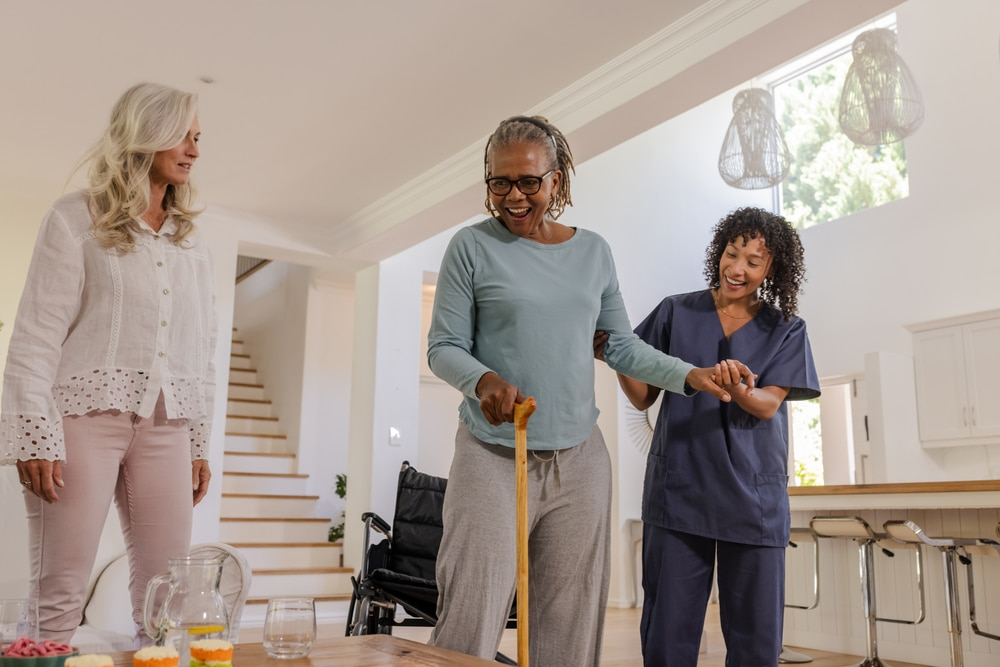 1. Slips & falls
 Where in Burbank can I find reliable in-home senior care?