
Many older adults try to minimize health concerns, even when symptoms are becoming more serious. Some do not want to worry their families, while others fear losing independence or becoming a burden. In many cases, the signs appear gradually and can easily be mistaken for normal aging. Families searching for caregivers in Hidden Hills, CA are often trying to understand whether subtle changes in a loved one’s behavior could point to underlying health issues that are not being openly discussed.
The challenge is that seniors do not always communicate discomfort directly. Instead, changes often appear through habits, routines, mood, or physical behavior.
Why do seniors sometimes hide health concerns?
There are several emotional and psychological reasons older adults avoid talking about their health problems.
1. They fear losing independence
Many seniors worry that admitting difficulty could lead to restrictions on driving, living alone, or managing their own routines. Even minor symptoms may feel threatening if they believe others will immediately step in and take control. As a result, they may downplay pain, fatigue, dizziness, or confusion.
2. They do not want to burden family members

Older adults often avoid discussing symptoms because they know their loved ones are already busy or stressed. Some seniors try to “push through” discomfort rather than ask for help. Unfortunately, this can delay treatment and allow conditions to worsen over time.
3. They assume symptoms are just part of aging
Many health problems develop gradually, making them easier to dismiss. Seniors may believe memory issues, balance problems, exhaustion, or appetite changes are simply normal parts of getting older. In reality, some of these symptoms can point to underlying medical concerns that deserve attention.
What signs might suggest a senior is hiding health problems?
The warning signs are not always dramatic. Often, small changes in daily behavior provide the clearest clues.
1. Changes in personal hygiene or appearance
A senior who normally takes pride in grooming may suddenly appear disheveled, wear the same clothes repeatedly, or neglect basic hygiene. This can sometimes signal fatigue, depression, pain, mobility limitations, or cognitive decline. Even small appearance changes can reflect deeper struggles happening behind the scenes.
2. Increased isolation or canceled plans
Seniors who are not feeling well often begin withdrawing socially. They may stop attending activities, avoid phone calls, or cancel outings more frequently than before. Some people isolate themselves because they feel embarrassed about symptoms or no longer have the energy to participate normally.
3. Changes in eating habits
Weight loss, spoiled food in the refrigerator, or lack of groceries may suggest a senior is struggling physically or emotionally. Appetite changes can also be linked to medication side effects, dental problems, depression, or illness. Families sometimes notice these patterns before the senior acknowledges them directly.
How should families approach the conversation?
The goal is usually to create trust and openness rather than pressure or confrontation.
1. Focus on concern instead of control
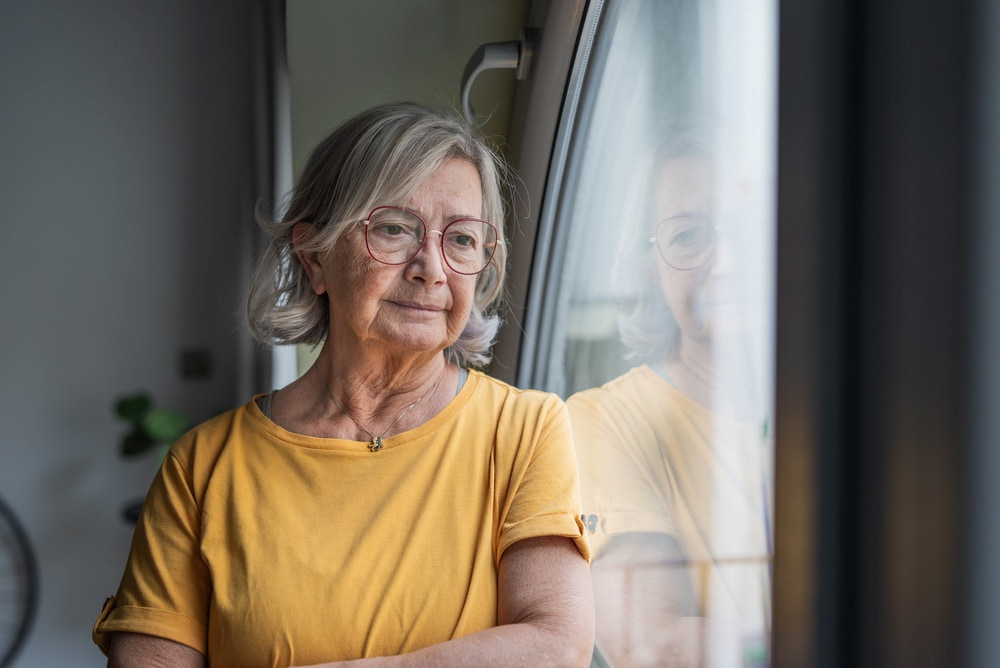
Seniors are more likely to open up when conversations feel supportive rather than critical. Asking calm, specific questions about daily routines or recent changes often works better than making accusations. A respectful tone can help reduce defensiveness.
2. Pay attention to patterns over time
One unusual day may not mean much, but repeated changes often deserve closer attention. Families should watch for consistent patterns involving memory, energy, mobility, mood, or daily functioning. These observations can help guide more productive conversations later.
3. Consider outside support when needed
Sometimes seniors respond more openly to caregivers or professionals than to family members. Consistent support at home can also help identify concerns earlier before they become emergencies. Around The Commons at Calabasas, many families begin exploring care options once they notice repeated behavioral or health changes that no longer feel temporary.
It may also help to understand the signs of caregiver exhaustion at home, learn how to encourage independence without creating tension, and recognize why some seniors push back against receiving help.
Where can families find compassionate caregivers in Hidden Hills, CA and the vicinity?
For more than 26 years, A Better Way In Home Care has helped families connect with compassionate, experienced caregivers who provide dependable support tailored to each client’s individual needs. As a mother-daughter-founded caregiver referral agency, we help families find trusted in-home support for companionship, daily routines, mobility assistance, and ongoing care needs.
Whether a loved one needs occasional help or more consistent assistance at home, our team works closely with families to connect them with caregivers who can provide reliable, personalized support in a comfortable home environment. Get in touch with us today!